
Handheld Fish Finder Portable
4.2Editor score
Portable kayak friendly design
200 kHz sonar frequency
4 to 5 hour battery life
Finding a reliable depth finder without breaking the bank is essential for anglers who want precision on the water. Whether you fish from a kayak or a boat, accurate sonar helps locate fish and structure efficiently.
We compared ten affordable models based on sonar technology, display quality, and ease of use. This list covers handheld units, dash mounts, and portable options suitable for various fishing environments.
Each pick includes detailed specs and real-world performance notes to guide your decision. Note that prices fluctuate frequently, so verify current listings before purchasing to ensure you get the best deal available.
4.2Editor score
4.6Editor score

4.5Editor score
As an Amazon Associate we earn from qualifying purchases.
This table provides a side-by-side view of key specifications for all ten selected depth finders. Review beam angles, depth ranges, and display types to identify which unit matches your specific fishing needs and budget constraints.


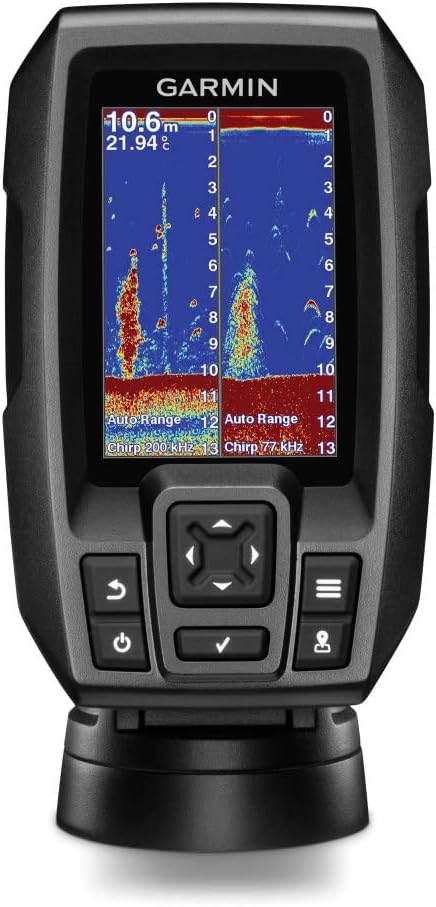
The Garmin Striker 4 stands out as a top contender for anglers seeking precision without a high price tag. With a solid rating and advanced Clear Vu sonar, it delivers near photographic images of underwater structure and fish.
We may earn a commission when you buy through this link, at no additional cost to you.
Its Chirp sonar technology sweeps frequencies to create crisper fish arches and better target separation. The built-in GPS waypoint map helps you mark brush piles and docks easily, enhancing your navigation capabilities significantly.
While the 3.5 inch screen is compact, it remains readable and waterproof rated at IPX7. The keyed interface simplifies operation, making it accessible for beginners while still offering depth for experienced users.
This unit is ideal for those who want reliable performance in both freshwater and saltwater environments. If you need a dependable depth finder that balances features and simplicity, this model is a strong recommendation.
Clear Vu scanning provides detailed representations of objects and fish, helping you identify structures with clarity and precision.
Mark and navigate to specific locations like stumps or docks effortlessly with the integrated waypoint map feature.
We may earn a commission when you buy through this link, at no additional cost to you.
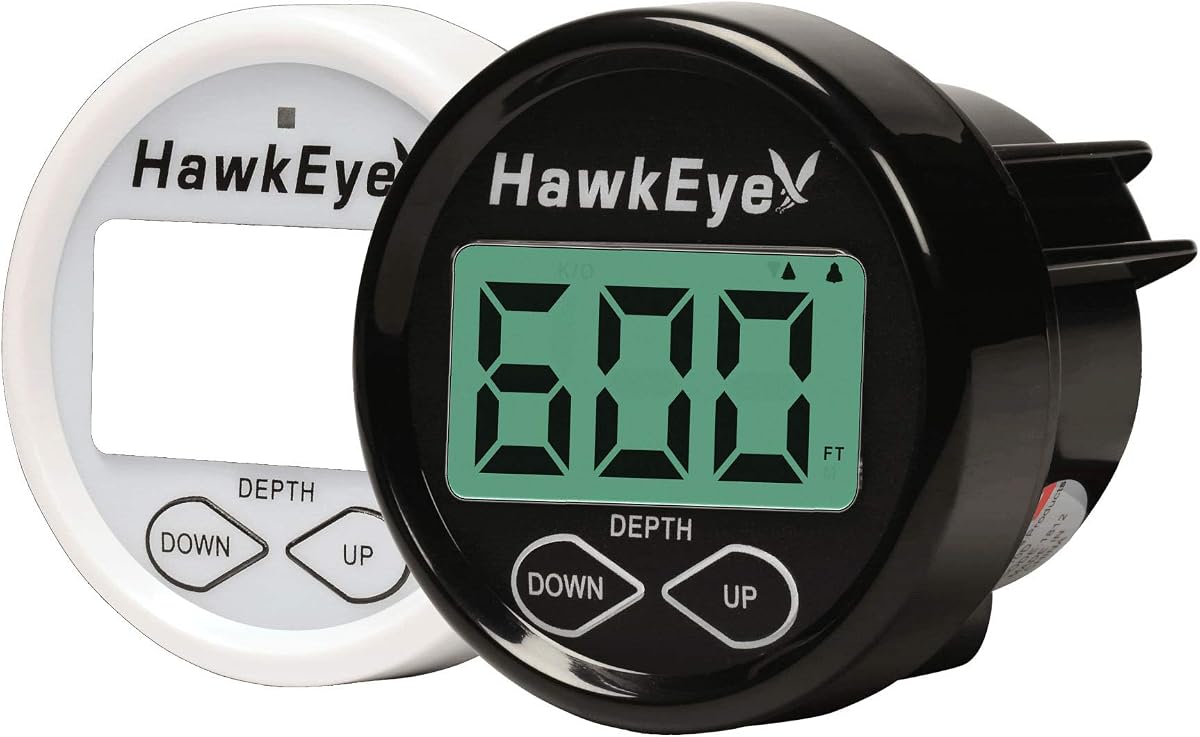
The DepthTrax 2B offers a dedicated in-dash solution for boat owners who need continuous depth readings. It supports speeds up to 60 mph while maintaining uninterrupted readings from 2.5 to 600 feet.
We may earn a commission when you buy through this link, at no additional cost to you.
Its polarized LCD display ensures spot-free viewing even with sunglasses, reducing glare significantly. The 3-stage warning system alerts you to depth changes with lights and sounds for added safety.
Installation is flexible with dual mount options, including a glue-in transducer for fiberglass or aluminum hulls. However, this method is not suitable for cored hulls, so check your boat structure first.
Choose this unit if you want a permanent, reliable depth monitor for smaller boats. The algorithmic programming reduces false readings, ensuring you trust the data displayed on the screen.
The polarized LCD icon display allows for clear viewing in bright sunlight without glare interference.
Transom or glue-in transducer options provide flexibility for different hull types and installation preferences.
We may earn a commission when you buy through this link, at no additional cost to you.
The Hawkeye DT1H is a straightforward handheld option for anglers who need basic depth and temperature data. It delivers readings up to 300 feet and fits easily in your hand or tackle box.
We may earn a commission when you buy through this link, at no additional cost to you.
Despite its simplicity, it provides essential information like water temperature, which can help identify fish-holding areas. The design focuses on core functionality without unnecessary complexity or steep learning curves.
Battery operation makes it portable, but you need to keep spare batteries on hand. It lacks the advanced sonar features of larger units but excels at quick checks from shore or a kayak.
This unit suits casual fishermen or those needing a backup device. If you prioritize ease of use over high-tech imaging, the Hawkeye DT1H is a reliable and practical choice.
Display water temperature alongside depth to help identify optimal fishing conditions for specific species.
Its small handheld form factor makes it easy to carry and deploy without mounting hardware.
We may earn a commission when you buy through this link, at no additional cost to you.
This handheld unit offers exceptional value for anglers on a tight budget. It shows water depth and fish location, making it suitable for kayaks, docks, and ice fishing scenarios.
We may earn a commission when you buy through this link, at no additional cost to you.
The 200 kHz sonar provides accurate readings between 3 and 328 feet. You can adjust sensitivity to filter noise in turbid water, ensuring clearer data when conditions vary.
Portability is key here with a neck strap and small size. It runs on AAA batteries for 4 to 5 hours, which is sufficient for most day trips but requires planning for longer sessions.
Ideal for entry-level users or casual shore fishing, this device balances cost and functionality. If you need a no-frills tool to locate fish quickly without breaking the bank, consider this model.
Simply toss the transducer into the water and turn on the display to get instant depth and fish readings.
Works well in both fresh and saltwater environments, adapting to various fishing styles and locations.
We may earn a commission when you buy through this link, at no additional cost to you.
The LUCKY FFC1108 is designed specifically for kayak and small boat anglers. It displays fish location and depth up to 328 feet, with alarms to alert you when fish pass by.
We may earn a commission when you buy through this link, at no additional cost to you.
Its backlit screen ensures visibility in darkness or bright sunshine. You can switch between feet and meters for depth units, catering to different regional preferences easily.
The neck strap allows hands-free use while you manage gear or bait. However, continuous operation relies on battery life, so bring spares for all-day outings without recharging options.
This model is a solid pick for kayakers needing portable sonar. Its alarm feature adds a layer of convenience for locating schools quickly. If you prioritize portability and clear alerts, it fits the bill well.
Receive audible alerts when fish or schools pass the transducer, helping you time your casts better.
Five sensitivity levels let you tailor detection to water clarity and depth conditions.
We may earn a commission when you buy through this link, at no additional cost to you.
The Humminbird PiranhaMAX 4 brings reliable dual beam sonar to the affordable range. You can choose between narrow and wide beams to balance detail with coverage area.
We may earn a commission when you buy through this link, at no additional cost to you.
Its tilt and swivel mount allows quick adjustments to viewing angles, enhancing ergonomics. The display simplifies fish identification with icons and zoom capabilities.
While the screen is compact, it delivers clear data. The included transom-mount transducer makes installation straightforward for most boats.
This unit suits anglers seeking proven technology at a budget price. If you value beam flexibility and a trusted brand name, the PiranhaMAX 4 is a strong contender.
Switch between narrow detail and wide coverage beams to adapt to different fishing scenarios.
Adjust the viewing angle easily to reduce glare and improve readability while on the water.
We may earn a commission when you buy through this link, at no additional cost to you.
Lowrance Eagle features a 4-inch IPS screen that stays clear in bright sunlight. Auto-Tuning Sonar optimizes settings automatically, letting you focus on fishing rather than manual adjustments.
We may earn a commission when you buy through this link, at no additional cost to you.
The included Bullet Skimmer transducer offers a 44-degree beam for broad coverage. Fish icons appear with depth, and zoom helps you inspect specific targets closely.
Installation is simplified with a twist-lock connector, saving time during setup. The portrait design fits well in limited spaces on smaller boats or kayaks.
Ideal for anglers needing reliable sonar with minimal setup hassle. If screen clarity and automated tuning matter to you, this unit delivers significant value.
Automatically optimizes sonar settings to provide clear views without manual tweaking.
Wide viewing angles and sunlight visibility ensure you can read data easily in all conditions.
We may earn a commission when you buy through this link, at no additional cost to you.
This portable unit includes contour readout and temperature data. It updates depth four times per second and supports various fishing methods from ice to offshore.
We may earn a commission when you buy through this link, at no additional cost to you.
A two-color lure lamp can attract light-sensitive fish, adding a unique feature. The rugged build withstands splashing and is waterproof up to 100 feet.
While primarily for depth, the added contour and temperature info enhance situational awareness. It is compact enough for travel and versatile across different water bodies.
Great for anglers who want extra environmental data in a small package. If contour mapping helps you structure your fishing plan, this device offers practical utility.
Visualize the bottom shape to identify drop-offs and structures where fish might hide.
The rugged design resists water damage, allowing use even in wet conditions or accidental drops.
We may earn a commission when you buy through this link, at no additional cost to you.
The LUCKY MT-202 offers exceptional wireless range up to 853 feet, allowing remote casting. The 3.5 inch LCD provides clear depth and fish icons with right-to-left scrolling.
We may earn a commission when you buy through this link, at no additional cost to you.
It is rechargeable and portable, floating if dropped. The sensor is lighter than a water bottle, making it easy to tie and cast like a bobber.
Rechargeability reduces long-term battery costs but requires planning for power availability. The wide 90-degree beam ensures good coverage in a 3 to 147-foot depth area.
Perfect for anglers wanting freedom without wires. If range and convenience are priorities, this model delivers a premium wireless experience at a competitive price.
Cast the sensor to remote spots without wires, expanding your fishing range significantly.
View a continuous history of fish movement with right-to-left scrolling on the LCD.
We may earn a commission when you buy through this link, at no additional cost to you.
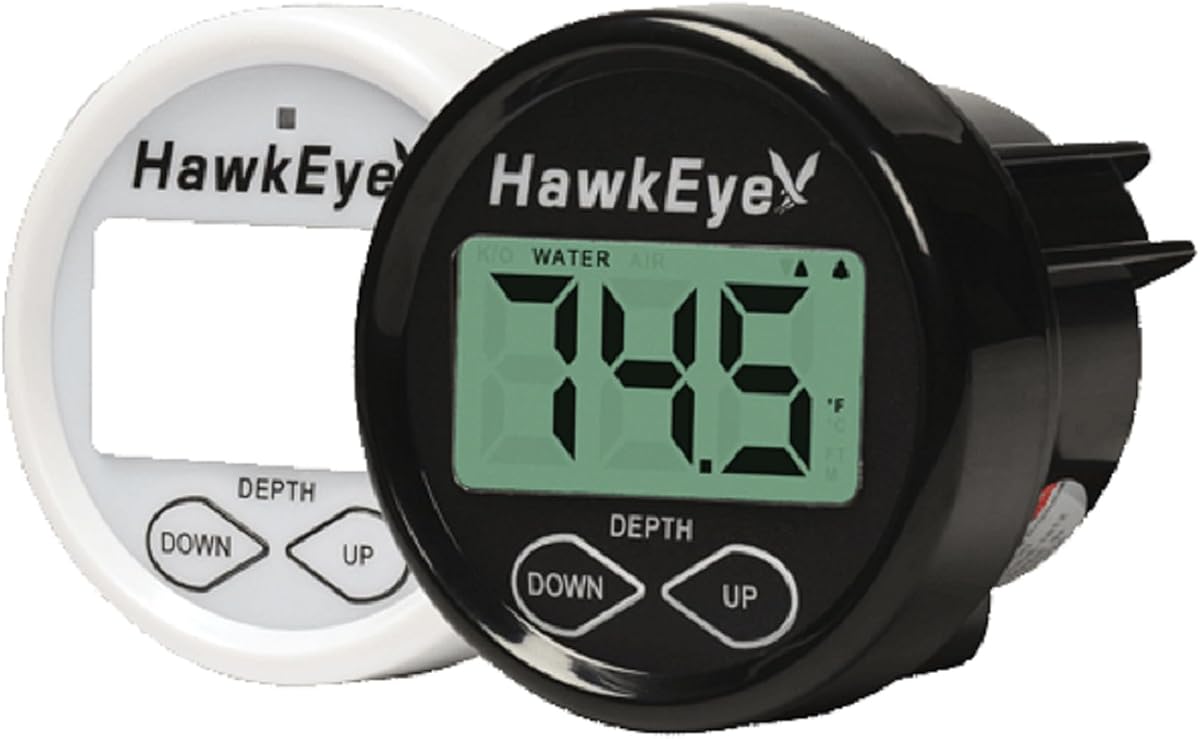
This in-dash sounder displays both air and water temperature in Celsius or Fahrenheit. It delivers uninterrupted depth readings and includes a transom-mount transducer with cable.
We may earn a commission when you buy through this link, at no additional cost to you.
The 3-stage warning system uses lights and sounds to signal alarms, with one-touch muting. The polarized LCD reduces glare for better viewing in sunlight.
Installation requires a flush-mounted display hole, so plan for modification. The algorithmic programming improves precision and reduces false alarms significantly.
Ideal for boats needing comprehensive environmental monitoring. If air temperature matters for your fishing strategy, this unit combines depth and weather data effectively.
Monitor both air and water temperature to get a complete picture of fishing conditions.
Audible and visual alerts notify you of depth changes or shallow water quickly.
We may earn a commission when you buy through this link, at no additional cost to you.
Selecting the right depth finder involves balancing features, budget, and intended use. Understanding key specifications helps you choose a model that fits your fishing style.
Sonar frequency determines detail and coverage. Higher frequencies like 200 kHz offer better detail in shallow water, while lower frequencies penetrate deeper. Chirp or dual-beam systems provide clearer images and structure separation.
Choose a frequency that matches your typical depth range and need for detail to ensure reliable fish detection.
Display size affects readability and data presentation. Larger screens show more information, but smaller units are more portable. Look for backlit and polarized displays to reduce glare in bright conditions.
Prioritize screen clarity and sunlight readability to avoid losing important data during the day.
Decide between fixed in-dash mounts and portable handhelds. In-dash units offer stability for boats, while handhelds suit kayaks and shore fishing. Check if the transducer fits your hull type.
Ensure the installation method aligns with your vessel and storage space for hassle-free deployment.
Depth range determines how deep the device can measure. Models vary from 300 feet to over 1,000 feet. Select one that covers your typical fishing spots, including offshore or lake channels.
Verify the maximum depth rating meets your needs to avoid equipment limitations.
Power sources range from AAA batteries to rechargeable options. Battery life affects trip duration; some last 4-5 hours. Rechargeable units offer convenience but require access to power.
Consider your typical trip length and power availability to choose the most reliable source.
Extras like GPS waypoints, temperature readings, and alarms add value. GPS helps mark spots; temperature aids species targeting. Alarms alert you to fish or shallow water.
Balance added features against cost to find a unit that enhances without complicating your experience.
Water resistance protects electronics from splashes and rain. Look for IPX7 or higher ratings for durability. Waterproof transducers are essential for casting or casting in rain.
Choose a device with sufficient water resistance for your typical weather and environment.
User interfaces vary from simple keys to touchscreens. Simpler devices are easier for beginners, while complex ones offer customization. Review menu navigation and button layout.
Opt for intuitive controls to minimize distractions and maximize time spent fishing.
First, ensure the transducer is properly mounted or submerged without air bubbles. For handhelds, hold the transducer steady in calm water to avoid erratic readings.
Adjust sensitivity settings based on water clarity. In murky conditions, lower sensitivity reduces noise; in clear water, increase it to detect smaller fish.
After use, rinse the device and transducer with fresh water to remove salt or debris. Store batteries separately to prevent corrosion and ensure the device is dry before packing.
Many budget models offer reliable accuracy for recreational and semi-serious anglers. Advanced features like Chirp sonar are available at lower price points, ensuring precise depth and fish data without needing a high-end unit.
Yes, most handheld depth finders are designed for both fresh and saltwater. Always rinse the unit after saltwater use to prevent corrosion. Check manufacturer guidelines to confirm specific water resistance ratings.
Transducer installation varies by hull type. Some models support glue-in mounts for fiberglass, while others use transom mounts. Follow the manual for hole drilling or adhesive steps to ensure a watertight seal.
Dual-beam sonar offers narrow and wide beam options for detail or coverage. Single-beam provides one fixed angle. Dual-beam helps identify fish under the boat more accurately in various conditions.
Incorrect readings may result from air bubbles, poor transducer placement, or interference. Check that the transducer is fully submerged and free of debris. Adjust sensitivity settings to match water conditions.
GPS is helpful for marking spots but not essential in shallow water. If navigation is not a priority, a basic depth finder works well. GPS adds value for larger lakes or offshore trips.
We reviewed ten cost-effective depth finders ranging from handheld to in-dash units. Each model offers unique strengths, whether you need portability or advanced sonar imaging.
Prioritize features that match your fishing style, such as battery life or screen clarity. Consider how the device will be mounted and the typical conditions you face on the water.
Prices can change over time, so check current listings for the best deals. Choose a unit that delivers the reliability you need without overspending.