
SONOFF Zigbee Human Presence Sensor SNZB-06P
4.0Editor score
5.8GHz cmWave radar
Zigbee 3.0 support
Light sensing included
Discover the top Home Assistant human presence sensors for 2026. We compare radar accuracy, Zigbee versus Wi-Fi, and automation features to help you choose the
Finding the right sensor for your smart home can be challenging. You need something that detects presence accurately without constant false triggers. Modern radar technology solves this by spotting even stationary people.
We evaluated ten top-rated models based on detection range, connectivity options, and Home Assistant compatibility. Our analysis focuses on mmWave capabilities and ease of setup for local control enthusiasts.
Each pick highlights key strengths and ideal use cases for your specific needs. Prices and availability may fluctuate so verify details before purchasing to ensure the best deal for your setup.
4.0Editor score

4.4Editor score

3.6Editor score
This table compares all ten models side by side. Look at detection technology, connectivity, and special features to find the best match for your Home Assistant environment.


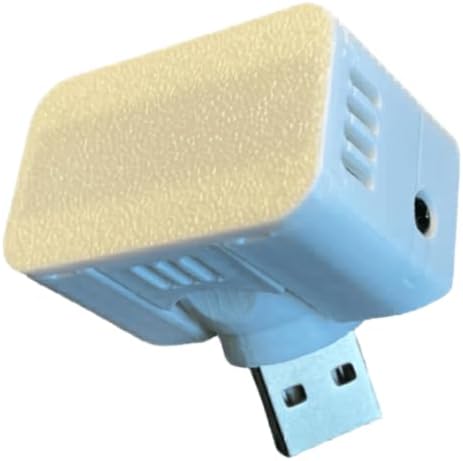


The Akamatis Litos v3 stands out as a top choice for Home Assistant users seeking precise presence detection. It combines 24GHz mmWave radar with an integrated light sensor for comprehensive automation capabilities.
We may earn a commission when you buy through this link, at no additional cost to you.
Its mmWave radar detects both motion and stationary objects up to 20 feet indoors. The embedded VEML7700 light sensor matches human eye sensitivity for accurate ambient light readings.
Setup is straightforward with pre-flashed ESPHome firmware. The 3D-printed front panel allows light to pass through naturally ensuring accurate measurements while maintaining a modern aesthetic.
This sensor is ideal for users who prioritize local control and precise automation. If you need reliable presence detection tied to lighting conditions this model delivers excellent performance.
The built-in light sensor allows automations to consider both presence and brightness levels simultaneously.
The unique front panel design ensures the light sensor receives accurate readings without obstruction.
We may earn a commission when you buy through this link, at no additional cost to you.
This version of the Akamatis sensor offers improved connectivity through its external antenna and Seeed C3 controller. It maintains the same mmWave accuracy as other models but adds stronger Wi-Fi performance.
We may earn a commission when you buy through this link, at no additional cost to you.
The HLK-LD2410B radar module detects moving and stationary objects reliably. Pre-flashed ESPHome firmware makes integration seamless without needing technical expertise for setup.
FCC certification ensures compliant and reliable operation. The USB-C power source eliminates battery concerns but requires a nearby outlet for continuous use.
Ideal for users who prefer Wi-Fi over Zigbee networks. The external antenna significantly boosts range stability making it suitable for larger rooms or areas with weak signal.
The external Wi-Fi antenna improves connection stability compared to models with internal antennas.
USB-C power ensures consistent operation without battery replacement but limits placement options.
We may earn a commission when you buy through this link, at no additional cost to you.
This Zigbee sensor offers exceptional value for Home Assistant users. Its 24GHz mmWave radar detects stationary presence effectively solving the common issue of lights turning off during stillness.
We may earn a commission when you buy through this link, at no additional cost to you.
Compatible with SmartThings Hubitat and Echo devices with built-in Zigbee hubs it provides flexible integration. The long battery life ensures minimal maintenance over two years of typical usage.
True presence automation keeps lights on while you read or sleep motionless. The wide compatibility makes it easy to fit into existing smart home setups without additional bridges.
Budget-conscious buyers will appreciate its performance relative to cost. While it lacks some premium features it delivers core presence detection reliably for most home scenarios.
Two AAA batteries provide up to two years of operation reducing maintenance frequency.
Works with most major Zigbee hubs allowing seamless integration across different ecosystems.
We may earn a commission when you buy through this link, at no additional cost to you.
The Aqara FP300 combines presence detection with environmental monitoring in one device. Its 60GHz mmWave radar and AI learning minimize false triggers while optimizing sensitivity automatically.
We may earn a commission when you buy through this link, at no additional cost to you.
Five integrated sensors track presence light temperature and humidity enabling complex automations. Support for both Matter over Thread and Zigbee provides flexibility for different ecosystem preferences.
Battery life reaches up to three years depending on usage mode. The adjustable mount allows wall ceiling or corner placement to fit any room layout effectively.
Premium users who want comprehensive monitoring will find this worthwhile. It simplifies multiple device needs into one compact unit with reliable performance across various scenarios.
Adaptive AI learning continuously improves detection accuracy and reduces false triggers over time.
Environmental sensors allow climate and lighting control based on detailed room conditions.
We may earn a commission when you buy through this link, at no additional cost to you.
SONOFF brings zone positioning to presence sensing with this model. Seven configurable detection areas allow you to ignore corridors or windows while focusing on specific furniture zones.
We may earn a commission when you buy through this link, at no additional cost to you.
The built-in light sensor enables context-aware automations like lights only turning on when dark and occupied. Self-learning calibration filters environmental interference for stable performance.
Zigbee support works across Home Assistant SmartThings and Alexa platforms. BLE configuration via the app provides advanced setting options for third-party users.
Users needing precise control over detection areas will benefit most. This flexibility prevents unwanted triggers while maintaining reliable monitoring in complex room layouts.
Custom zones help eliminate false triggers from areas like hallways or windows.
Adaptive calibration filters out interference from appliances and airflow over time.
We may earn a commission when you buy through this link, at no additional cost to you.
This budget-friendly sensor offers solid presence detection for basic needs. The 5.8GHz cmWave radar tracks movement and stationary presence with reliable accuracy.
We may earn a commission when you buy through this link, at no additional cost to you.
Light sensing ensures lights turn on only when dark and occupied saving energy. Zigbee 3.0 compatibility works with major hubs including SONOFF and Echo Plus devices.
Local smart scenes execute automation even without internet. This offline capability enhances reliability for critical routines like security or essential lighting control.
Ideal for users starting with Zigbee presence sensors. While simpler than premium models it covers core use cases effectively at an accessible price point.
Scene linkage between Zigbee devices works without internet ensuring reliable automation.
Built-in light detection prevents unnecessary lighting activation during daylight hours.
We may earn a commission when you buy through this link, at no additional cost to you.
This compact sensor combines presence detection with temperature and humidity tracking. The 24GHz mmWave technology ensures precise detection of breathing and micro-movements reliably.
We may earn a commission when you buy through this link, at no additional cost to you.
Ultra compact dimensions allow discreet placement anywhere in the room. Magnetic mounting simplifies installation on metal surfaces while 3M tape options work for walls or tiles.
Designed specifically for Home Assistant via ZigBee it offers fast local control. Environmental data enables more informed automation decisions beyond simple presence triggers.
Users valuing discreet and versatile placement will appreciate this model. It balances essential presence detection with environmental monitoring in a small footprint.
Small dimensions allow placement in tight spaces without visual clutter.
Integrated temperature and humidity sensors provide comprehensive environmental data.
We may earn a commission when you buy through this link, at no additional cost to you.
This model remains highly rated for its reliable performance and straightforward setup. It uses mmWave radar to detect stationary and moving objects with high precision.
We may earn a commission when you buy through this link, at no additional cost to you.
Pre-flashed ESPHome firmware simplifies integration with Home Assistant. The external Wi-Fi antenna on the ESP32-C3 controller ensures stable connectivity throughout the home.
Compact design allows placement in tight corners or ceiling mounts. FCC certification ensures compliance and reliable long-term operation without interference issues.
Users seeking a proven Wi-Fi solution may prefer this established model. While newer versions exist it continues to deliver consistent performance for Home Assistant users.
High user ratings reflect consistent performance and ease of use over time.
Pre-flashed firmware and hotspot connection make onboarding simple without technical steps.
We may earn a commission when you buy through this link, at no additional cost to you.
This sensor offers extensive customization for users who want fine-tuned control. Sensitivity levels from 1 to 9 allow precise tuning to specific environmental conditions.
We may earn a commission when you buy through this link, at no additional cost to you.
Adjustable detection ranges and unmanned delay times help minimize false alarms. The option to set data reporting intervals reduces network noise in complex Zigbee setups.
Compatible with Tuya ZigBee hubs it works well within that ecosystem. Mini wall mount design ensures secure placement anywhere needed for optimal detection.
Advanced users who need specific adjustments will appreciate the flexibility. While setup may vary it provides detailed control over detection behavior.
Sensitivity and delay times allow tailored behavior matching room usage patterns.
Customizable data intervals help reduce network traffic without affecting real-time changes.
We may earn a commission when you buy through this link, at no additional cost to you.
The meross MS600 brings Matter support to presence detection. Combined PIR and mmWave radar ensure accurate detection of both movement and stationary presence.
We may earn a commission when you buy through this link, at no additional cost to you.
Flexible mounting allows 180 degree pivot and 360 degree rotation for optimal coverage. Integrated cable management keeps setup neat while the pet-proof shield prevents false triggers.
Local control via Matter provides better stability and privacy. The device works directly with Home Assistant without requiring a hub for standard integrations.
Users seeking Matter compatibility will find this a strong option. While corded power limits placement it ensures consistent operation without battery concerns.
Matter over Wi-Fi enables seamless local control across major smart home ecosystems.
Included shield prevents false triggers from pets or robotic vacuums moving below range.
We may earn a commission when you buy through this link, at no additional cost to you.
Selecting the right presence sensor involves evaluating detection technology, connectivity options, and power requirements. This guide explains key factors to consider before purchasing.
mmWave radar detects stationary and moving objects while traditional PIR only senses motion. This difference ensures lights stay on during stillness which is crucial for reading or sleeping.
Always prioritize 24GHz or higher radar modules for accurate human presence tracking.
Wi-Fi sensors connect directly to your network but consume more bandwidth. Zigbee devices use a hub to create a mesh network that reduces latency and improves stability.
Choose Zigbee for multiple sensors to avoid network congestion.
Battery powered sensors offer flexible placement but need periodic replacement. Wired sensors eliminate battery maintenance but require proximity to an outlet.
Match power source to your room layout and usage patterns.
Not all sensors integrate equally with Home Assistant. Some require specific ESPHome setups while others work natively via Zigbee or Matter.
Check if the sensor needs additional configuration before buying.
Multi-function sensors add light temperature or humidity tracking to presence detection. This consolidates devices and enables richer automations based on environmental conditions.
Consider if you need environmental data beyond simple presence.
Mounting options like magnetic bases or adjustable brackets simplify placement. Some sensors fit ceiling while others work better on walls for optimal coverage.
Choose a mounting style that matches your room layout.
Advanced models allow sensitivity tuning and zone configuration. This reduces false triggers from pets or irrelevant movement areas.
Look for adjustable settings if your environment is complex.
Ensure the sensor works with other devices in your ecosystem. Matter support provides broader compatibility while proprietary hubs may limit expansion.
Prioritize open standards for future-proofing.
Start by installing your Home Assistant instance or connecting to an existing hub. Ensure your network or Zigbee bridge is powered on before pairing the sensor device.
Position the sensor at head height or slightly above for optimal coverage. Avoid placing it near heat sources or metal objects that may interfere with radar signals.
Regularly check battery levels if using wireless models and update firmware when available. Clear any obstructions like curtains to maintain consistent detection accuracy.
It depends on connectivity. Zigbee models need a hub or bridge while Wi-Fi models connect directly. Matter over Wi-Fi devices often do not require a separate hub.
PIR detects only motion while mmWave detects both motion and stationary presence. This makes mmWave ideal for lighting control during stillness like reading.
Some models include pet-proof shields or adjustable zones to ignore pets. Check specific features if pet immunity is required for your setup.
Use the automation editor to trigger actions based on the presence sensor entity. You can combine it with light and time conditions for precise control.
Local control sensors process data on-device ensuring privacy. Cloud-dependent models may send data externally so check privacy policies before purchasing.
Zigbee presence sensors can last up to two years depending on usage. Wired models eliminate battery concerns but need continuous power access.
Accuracy depends on placement and room layout. Test the sensor after installation to ensure it covers all areas without blind spots.
The Akamatis Litos v3 leads for its balanced features and Home Assistant integration. Zigbee options like the SONOFF SNZB-06P offer cost-effective alternatives for budget users.
Prioritize mmWave radar technology and connectivity that matches your smart home setup. Local control ensures reliable automation without dependency on external servers.
Verify current availability and compatibility before purchasing to ensure the best results. Smart home needs evolve so choose a model that allows future flexibility.