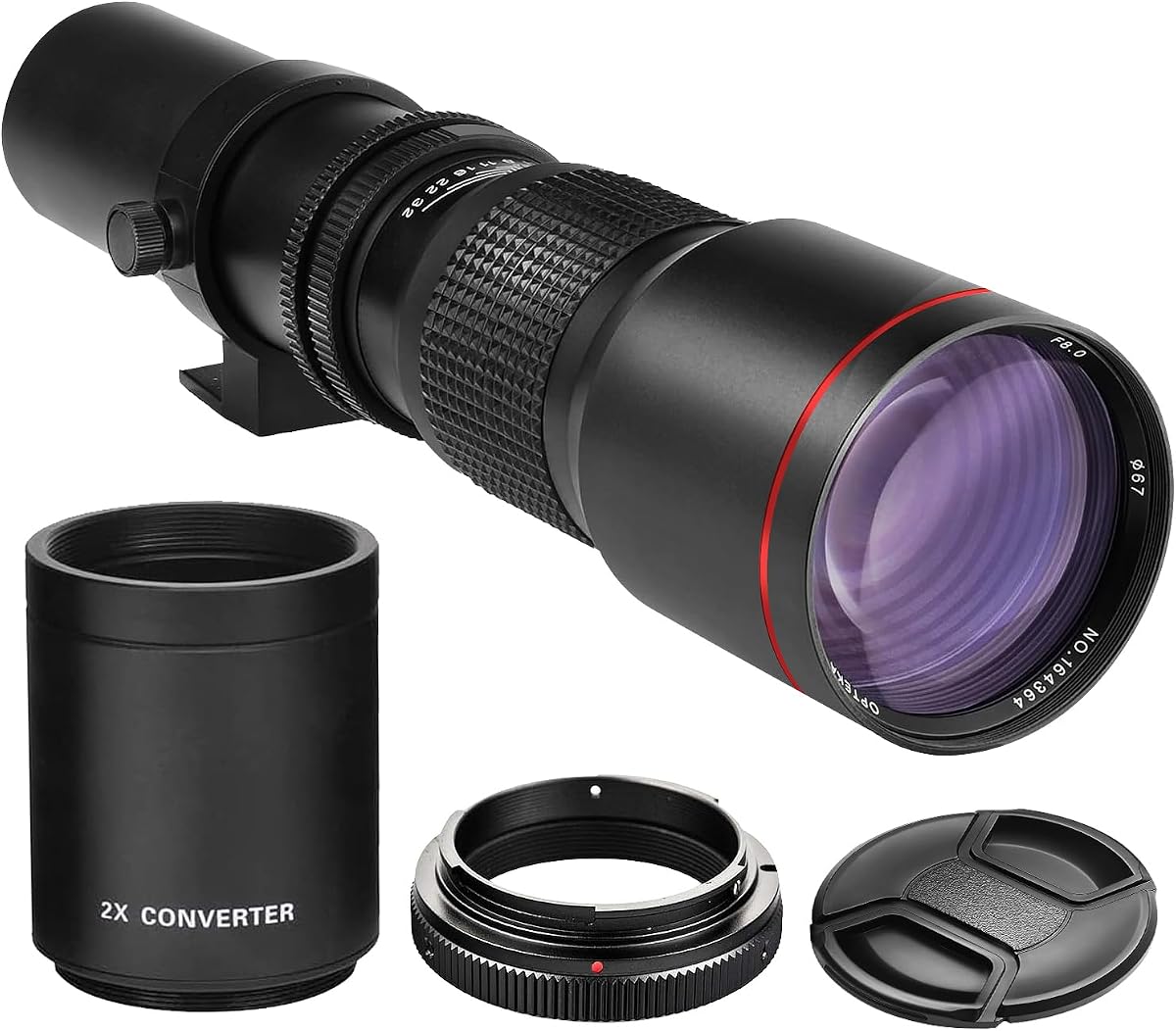
High-Power 500mm/1000mm f/8 Manual Telephoto Lens
4.0Editor score
1000mm with teleconverter
Manual focus precision
Affordable price point
This guide compares the top camera lenses for long distance wildlife photography focusing on reach image stabilization and autofocus performance to help you
Wildlife photography demands exceptional optical performance to capture distant subjects with clarity and detail. Choosing the right camera lens for long distance wildlife ensures you can frame elusive animals without disturbing their natural behavior. Key features like focal length range and image stabilization play critical roles in achieving sharp results.
We evaluated ten top-rated telephoto lenses based on optical quality, autofocus speed, and handling characteristics. Our analysis considers both professional-grade optics and budget-friendly options suitable for various camera systems. This list covers DSLR and mirrorless mounts to ensure compatibility with your existing gear setup.
Each selection highlights specific strengths such as zoom range weight and weather sealing capabilities. Please note that product availability and pricing may fluctuate over time so verify current details before purchasing. We aim to provide comprehensive insights to guide your investment in quality wildlife photography equipment.
4.0Editor score
4.7Editor score

4.0Editor score
This side-by-side comparison examines ten distinct telephoto lenses tailored for capturing wildlife from afar. We assess focal reach optical construction and mounting compatibility to highlight differences across price points and camera ecosystems.



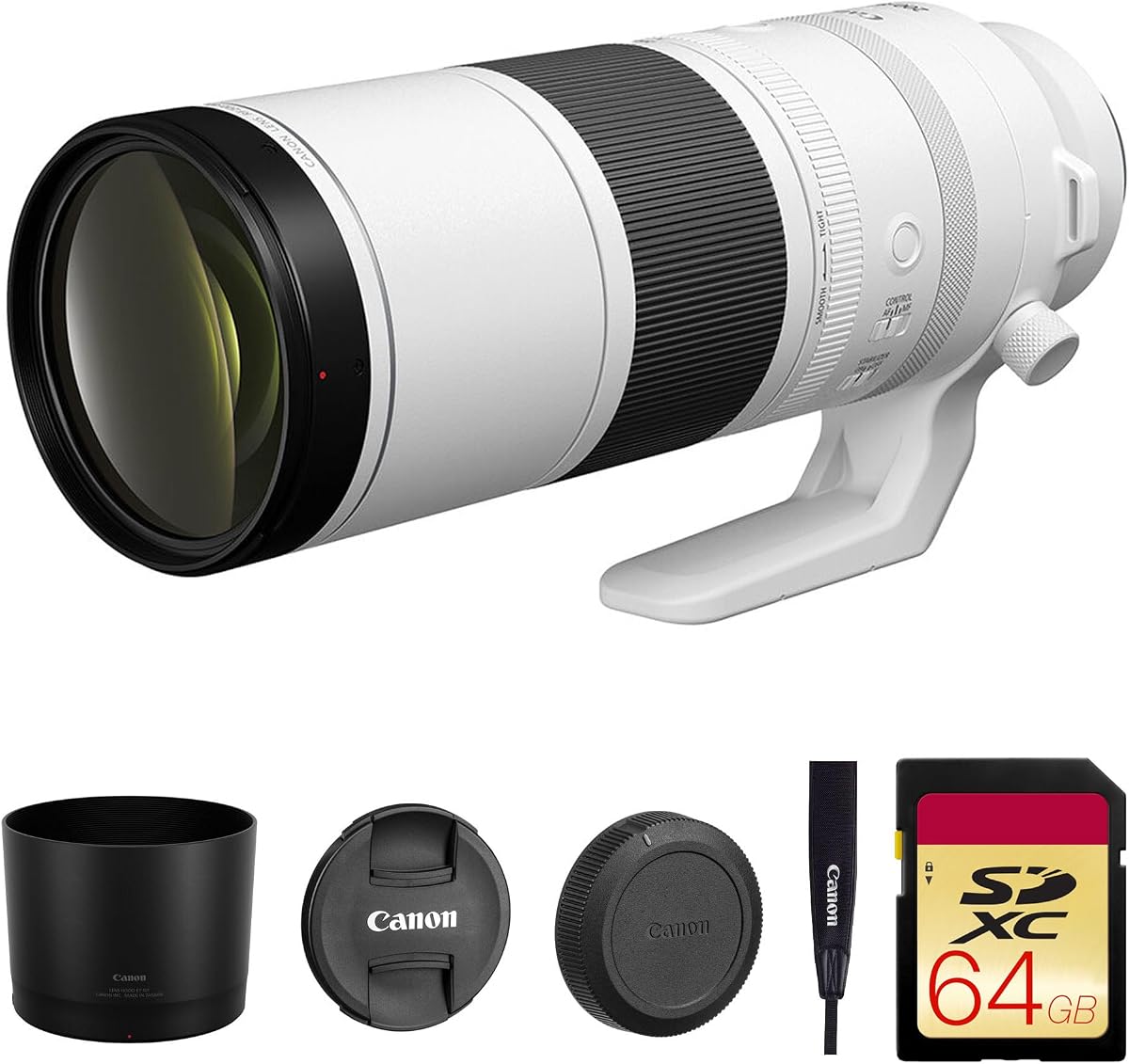
This Canon RF lens represents the pinnacle of telephoto versatility for wildlife photographers using modern mirrorless systems. With a stellar 4.7 rating users praise its ability to deliver sharp images even at the extreme 800mm focal length. The included bundle adds practical value with essential accessories like a memory card.
We may earn a commission when you buy through this link, at no additional cost to you.
The standout feature is its unmatched zoom flexibility allowing photographers to frame subjects from 200mm all the way to 800mm without changing optics. Image stabilization built directly into the lens ensures shake-free results during handheld shooting which is crucial when tracking moving animals in dynamic environments.
While the aperture narrows to f/9 at maximum zoom this trade-off is acceptable given the compact size and optical quality. The USM autofocus system delivers quiet and precise focusing essential for avoiding disturbance to wildlife. Some may find the price significant but the optical performance justifies the investment for serious enthusiasts.
This lens is ideal for Canon R-series users seeking professional-grade reach without the bulk of traditional super-telephoto primes. It excels in scenarios requiring quick focal length adjustments while maintaining image stability. For those prioritizing mobility and optical excellence this bundle offers a comprehensive solution for wildlife photography.
The 200mm to 800mm range covers nearly all wildlife scenarios from birds to distant mammals without needing multiple lenses.
Built-in image stabilization allows for sharp handheld shots even at long focal lengths reducing reliance on heavy tripods.
We may earn a commission when you buy through this link, at no additional cost to you.
This lens stands out as the world's first autofocus super-telephoto zoom with an 800mm telephoto end. Users appreciate its powerful zoom range that spans from 200mm to 800mm making it a versatile tool for nature and sports photography. The optimized optical design ensures high image quality throughout the entire zoom range.
We may earn a commission when you buy through this link, at no additional cost to you.
Its lightweight and compact design is a major advantage for photographers who need mobility in the field. The lens allows for comfortable handheld shooting thanks to its ergonomic build and effective stabilization. Compatibility with RF extenders adds further flexibility for those needing even more reach in specific situations.
The main trade-off involves the aperture narrowing as you zoom in which can affect low-light performance. However for daylight wildlife shooting this is rarely an issue. The lens maintains excellent sharpness and contrast ensuring detailed captures of distant subjects. It is a robust choice for Canon mirrorless users seeking professional results.
Ideal for wildlife photographers who prioritize reach and portability this lens delivers exceptional performance. It balances optical excellence with a user-friendly form factor. Whether tracking birds or capturing distant landscapes this lens provides the tools needed to achieve stunning results.
Advanced glass elements maintain image clarity and reduce aberrations across the full zoom range for professional-quality results.
Support for RF1.4x and 2x extenders allows users to push focal length beyond 800mm when necessary for extreme reach.
We may earn a commission when you buy through this link, at no additional cost to you.
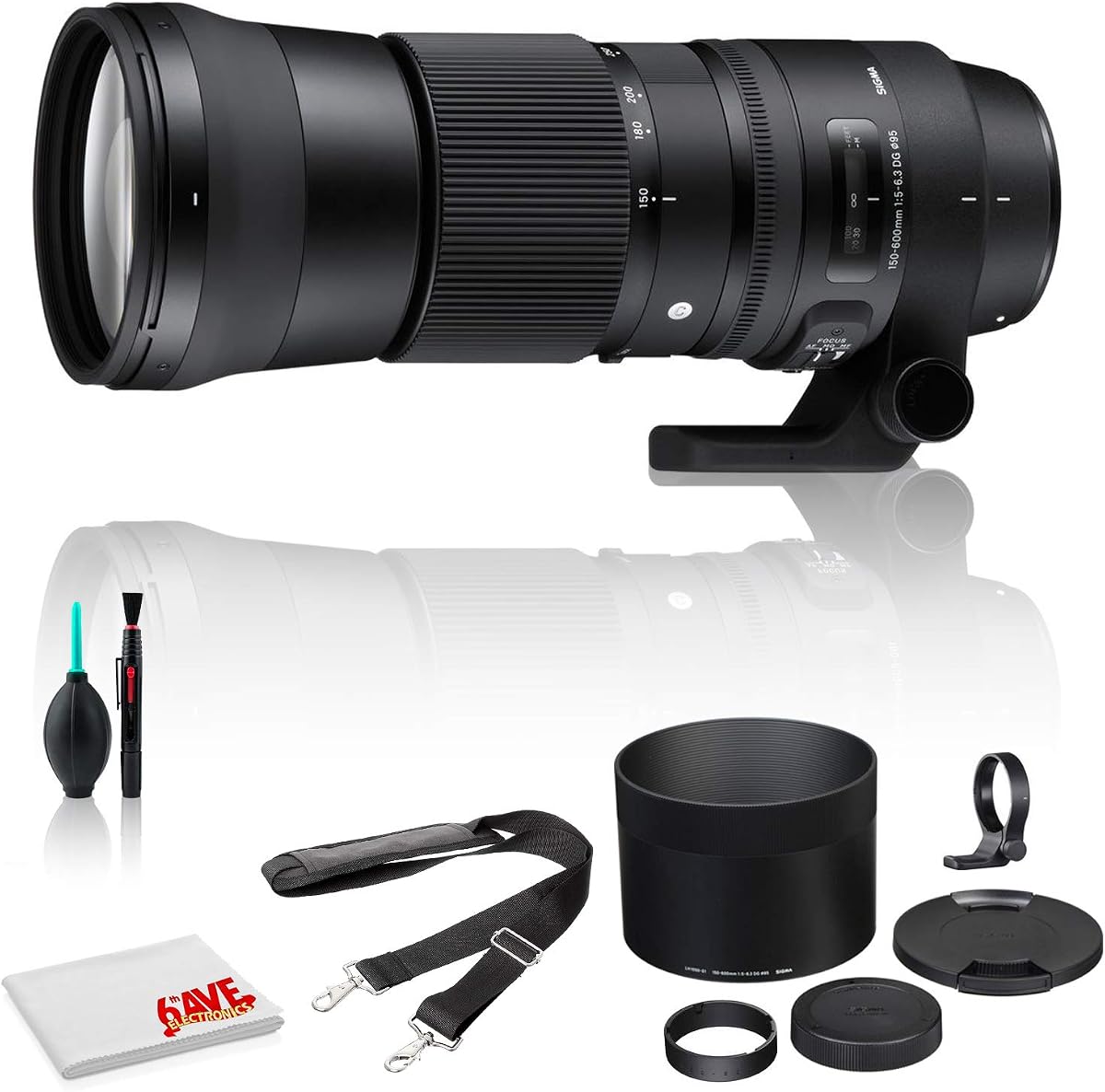
Sigma offers a robust telephoto solution for DSLR users with this 150-600mm lens. Rated highly by users it provides a broad focal range that suits various wildlife scenarios from birds to larger animals. The inclusion of a cleaning kit adds practical value for field maintenance and care.
We may earn a commission when you buy through this link, at no additional cost to you.
The Hyper Sonic Motor AF system ensures fast and accurate focusing essential for tracking moving subjects. Optical stabilization helps mitigate camera shake allowing for sharper images at slower shutter speeds. The lens is designed for full-frame sensors providing excellent image quality across the frame.
While heavier than some mirrorless counterparts this lens remains manageable for many photographers. The aperture range of f/5-6.3 to 22 offers versatility though low-light performance may require higher ISO settings. Overall it delivers strong performance for its price point and build quality.
This lens is best suited for Canon DSLR owners seeking a balance of reach and affordability. It handles well during extended shoots and delivers consistent results. For those invested in the EF mount system it remains a top contender for wildlife photography needs.
The inclusion of a deluxe cleaning kit helps maintain lens performance and longevity during outdoor photography sessions.
Covering 150mm to 600mm this lens provides flexibility for different wildlife scenarios without needing multiple lenses.
We may earn a commission when you buy through this link, at no additional cost to you.
This manual telephoto lens offers an accessible entry point for photographers seeking extreme focal lengths. With a rating of 4.0 it is valued for its ability to double power to 1000mm using the included converter. It is compatible with a wide range of Canon DSLR cameras making it versatile.
We may earn a commission when you buy through this link, at no additional cost to you.
The manual focus and aperture control give photographers complete creative expression over their shots. Multi-coated optical glass ensures clear and sharp photos when used correctly. The lens is built to withstand outdoor rigors with a robust finish that adds to its reliability in field conditions.
Manual operation requires patience and skill particularly for moving subjects like wildlife. However for stationary or slow-moving targets it works well. The low price point makes it an excellent option for beginners or those needing occasional extreme reach without investing in expensive optics.
Ideal for budget-conscious photographers this lens delivers surprising capabilities for the price. It serves well for landscapes or distant subjects where autofocus speed is less critical. Users should expect a learning curve but the results can be rewarding for the right shooting style.
The ability to reach 1000mm for an affordable price makes this lens attractive for hobbyists and beginners.
Full manual control allows photographers to fine-tune settings for specific artistic effects or challenging lighting.
We may earn a commission when you buy through this link, at no additional cost to you.
This Canon L-Series lens is designed for professional wildlife and sports photography with exceptional optical construction. It covers a versatile 100-400mm range suitable for various subjects and distances. The bundle includes useful accessories like a filter kit enhancing immediate usability for different lighting conditions.
We may earn a commission when you buy through this link, at no additional cost to you.
Advanced optical features like fluorite elements minimize aberrations ensuring high image quality. The built-in optical image stabilization improves handheld shooting and low-light performance significantly. Ring-type USM autofocus delivers fast and precise focus which is critical for capturing moving animals accurately.
The lens is compatible with optional teleconverters extending reach when needed for distant subjects. Its professional build includes a rotating tripod collar for balanced support during long sessions. While the price is higher the reliability and image quality justify the investment for serious photographers.
This lens is ideal for Canon DSLR users seeking top-tier performance in wildlife photography. It excels in diverse environments and offers flexibility through its zoom range and stabilization. For those prioritizing image quality and durability this L-Series option remains a trusted choice.
Use of fluorite and UD elements ensures minimal chromatic aberrations and superior sharpness across the zoom range.
Included filters and lens cap keepers add value and protect the lens during outdoor use right out of the box.
We may earn a commission when you buy through this link, at no additional cost to you.
This lens offers one of the highest focal lengths available for Canon DSLR cameras. With a rating of 4.0 it is praised for bringing subjects closer than ever possible up to 1600mm with the included teleconverter. The HD optical glass ensures crisp and detailed photos even at these extreme ranges.
We may earn a commission when you buy through this link, at no additional cost to you.
Compatibility with a wide variety of Canon models makes it a flexible choice for many users. The manual focus allows for precise control over shots which can be advantageous for stationary subjects. It is designed to fit EF mounts ensuring seamless integration with existing camera gear.
The trade-off is the reliance on manual focus which can be challenging for fast-moving wildlife. Additionally the weight may increase at full extension affecting stability without a tripod. Despite this the affordability and extreme reach make it a popular choice for hobbyists.
This lens is best for photographers needing maximum reach without a high price tag. It serves well for distant landscapes or slow-moving subjects. Users should be prepared for manual operation but the results can be impressive when conditions are right.
The 2X teleconverter doubles the power to 1600mm providing unparalleled reach for budget-conscious photographers.
Supports a broad range of Canon DSLR models from entry-level to professional ensuring versatility across camera bodies.
We may earn a commission when you buy through this link, at no additional cost to you.
This RF telezoom lens offers a versatile range from 100mm to 400mm designed specifically for EOS R series cameras. With a rating of 4.6 users appreciate its high image quality in a compact form. It is an excellent choice for those seeking mobility without sacrificing optical performance.
We may earn a commission when you buy through this link, at no additional cost to you.
The optical image stabilizer provides up to 5.5 stops of shake correction which is enhanced to 6 stops with IBIS bodies. This stabilization allows for sharp handheld shots even in lower light conditions. The Nano USM autofocus ensures smooth and quiet operation during video or photo shooting.
While the aperture narrows to f/8 at 400mm the lens still delivers clear and crisp images. Its lightweight design makes it ideal for travel and long shooting sessions. For photographers looking for a balance of price and quality this lens is highly recommended.
This lens is ideal for Canon mirrorless users needing a compact zoom for wildlife. It excels in portability and ease of use. For those prioritizing a light load and excellent stabilization this RF lens delivers impressive results.
Up to 5.5 stops of shake correction enables stable handheld shooting even at longer focal lengths.
Small size and light weight make this lens easy to carry during extended hikes or travel adventures.
We may earn a commission when you buy through this link, at no additional cost to you.
This entry-level lens provides an accessible telephoto option for Canon SLR users. With a strong 4.7 rating it is valued for its lightweight design and ease of use. It covers a practical focal range for basic wildlife and sports photography needs.
We may earn a commission when you buy through this link, at no additional cost to you.
The zooming mechanism is smooth making it easy to adjust framing quickly. Despite lacking image stabilization the lightweight build helps reduce camera shake. The lens is affordable and offers solid performance for those starting out in photography.
Without stabilization users may need to use faster shutter speeds to ensure sharpness. However for daylight shooting this lens performs well. Its compatibility with a wide range of Canon models adds to its appeal as a starter lens.
This lens is ideal for beginners seeking an affordable telephoto zoom. It offers a good balance of price and functionality. For those learning photography it provides a reliable tool for learning composition and focus techniques.
This lens offers an accessible entry point for photographers seeking telephoto capabilities without a large investment.
Smooth zooming and lightweight construction make it comfortable for extended shooting sessions for new users.
We may earn a commission when you buy through this link, at no additional cost to you.
This Nikon lens bundle provides exceptional reach and performance for wildlife photographers. With a 4.2 rating it offers a versatile 200-500mm range suitable for various shooting scenarios. The bundle includes filter kits and cleaning items adding value to the purchase.
We may earn a commission when you buy through this link, at no additional cost to you.
Vibration Reduction ensures up to 4.5 stops of stabilization helping to mitigate camera shake. The Silent Wave Motor delivers rapid and accurate autofocus essential for tracking wildlife. Internal focusing maintains lens length during operation which improves speed and stability.
Compatibility with both FX and DX sensors makes it a flexible choice for many Nikon users. The lens is designed for durability with a robust build that withstands outdoor conditions. For serious enthusiasts this lens offers a professional-level experience at a reasonable price.
This lens is ideal for Nikon shooters needing a powerful telephoto zoom. It excels in providing sharp images at long distances. The bundle accessories further enhance its utility for field photography and maintenance.
The included filter kit and cleaning items make this bundle a complete solution for photographers ready to shoot.
Compatibility with DX sensors extends the reach to an equivalent 300-750mm range increasing versatility.
We may earn a commission when you buy through this link, at no additional cost to you.
This renewed version of the classic lens offers a sustainable and budget-friendly option. With a 4.7 rating users report reliable performance similar to new units. It covers a practical 75-300mm range suitable for entry-level telephoto needs.
We may earn a commission when you buy through this link, at no additional cost to you.
The DC autofocus motor ensures smooth and consistent focusing during use. Despite lacking stabilization the lightweight design helps maintain manageable handling. The renewed condition provides significant savings while maintaining optical quality standards.
For photographers seeking to save money without sacrificing essential features this lens is a strong choice. It is compatible with a wide range of Canon DSLR models. The performance remains consistent for daylight photography and general wildlife shots.
This lens is ideal for budget-conscious buyers or those needing a spare telephoto option. It offers reliability and value without the cost of new gear. For those willing to accept renewed goods it delivers solid results.
Choosing a renewed lens allows photographers to access quality optics at a lower cost point.
High user ratings indicate that renewed units perform consistently with brand-new lenses.
We may earn a commission when you buy through this link, at no additional cost to you.
Selecting the right lens involves balancing focal length weight and optical features to match your shooting style and camera system.
Focal length determines how close your subjects appear in the frame. For wildlife you typically want a lens that reaches at least 300mm and preferably 600mm or higher to capture details without disturbing animals.
Consider lenses with zoom capabilities to adjust framing flexibly while tracking moving subjects.
Stabilization counters camera shake which is amplified at long focal lengths. Lenses with built-in stabilization allow for sharper handheld shots especially in lower light or when tripods are impractical.
Prioritize lenses with at least 4 stops of stabilization for reliable performance in the field.
Fast and accurate autofocus is essential for tracking moving wildlife. Look for lenses with Ultrasonic Motors (USM) or Silent Wave Motor technology which offer quick and quiet focusing.
Slow autofocus may cause you to miss critical moments when animals are active or moving quickly.
Ensure the lens matches your camera's mount system such as EF RF or F. Some lenses may require adapters which can impact autofocus speed or weight.
Check manufacturer compatibility lists to confirm support for your specific camera body and sensor size.
Long telephoto lenses can be heavy and bulky affecting your ability to carry them during hikes. Lightweight designs enhance mobility but may compromise on optical stability or durability.
Choose a balance that suits your physical strength and typical shooting environment.
Larger apertures allow more light into the lens improving performance in low-light conditions. However many telephoto zooms have smaller maximum apertures that narrow at long focal lengths.
Be prepared to use higher ISO settings or tripods when shooting at narrow apertures during dusk or dawn.
Durable construction with weather sealing protects your lens from dust moisture and impacts. Professional-grade lenses often offer better resistance to harsh outdoor conditions.
Invest in lenses with robust build quality if you plan to shoot in challenging environments frequently.
Telephoto lenses vary widely in price. Consider bundles that include accessories like filters or bags to maximize value. Renewed options may also provide savings with reliable performance.
Set a realistic budget while prioritizing essential features needed for your specific wildlife photography goals.
Always start by securing your lens firmly to the camera body to prevent accidental drops or misalignment. Ensure all locking mechanisms are engaged before handling or mounting on a tripod.
Use the image stabilization feature when shooting handheld to minimize blur from camera movement. For critical shots consider switching stabilization off if using a steady tripod setup to avoid conflicting corrections.
Clean lens surfaces regularly with a soft microfiber cloth and blower brush to remove dust or moisture. Store your lens in a dry protective case when not in use to preserve optical coatings and mechanical parts.
For wildlife a focal length of at least 300mm is recommended with 600mm or higher ideal for distant subjects. This range allows you to frame animals safely without disturbing their natural behavior. Zoom lenses offer flexibility to adjust framing as needed.
Yes image stabilization is critical for long focal lengths to counteract camera shake. It enables sharper handheld shots especially in lower light or when a tripod is impractical. Look for lenses with at least 4 stops of stabilization for best results.
Many manufacturers offer adapters allowing DSLR lenses to work on mirrorless bodies. However autofocus speed and handling may differ. Native lenses usually provide better integration and performance. Check compatibility details before purchasing.
Variable aperture means the maximum aperture changes as you zoom. This allows for smaller lighter and more affordable designs. While limiting low-light performance at long focal lengths it is common in consumer-grade telephoto zooms.
Use a weather-sealed lens if available and store it in a protective case when not shooting. Avoid touching glass surfaces directly to prevent oils and scratches. Regular cleaning with proper tools helps maintain optical clarity.
A tripod is helpful for heavy lenses or low-light conditions but not always essential. Many modern lenses have stabilization that enables sharp handheld shots. Use a monopod for mobility while still providing support.
The Canon RF 200-800mm leads with unmatched reach and stabilization for mirrorless shooters. Budget options like manual lenses provide extreme focal lengths at accessible prices for those prioritizing reach over automation.
Consider your camera system shooting style and physical tolerance when selecting a lens. Prioritize autofocus speed and stabilization to capture wildlife successfully in dynamic environments.
Prices and availability may change so verify the latest details on Amazon before purchasing. Use these insights to invest in a lens that matches your needs and enhances your wildlife photography experience.