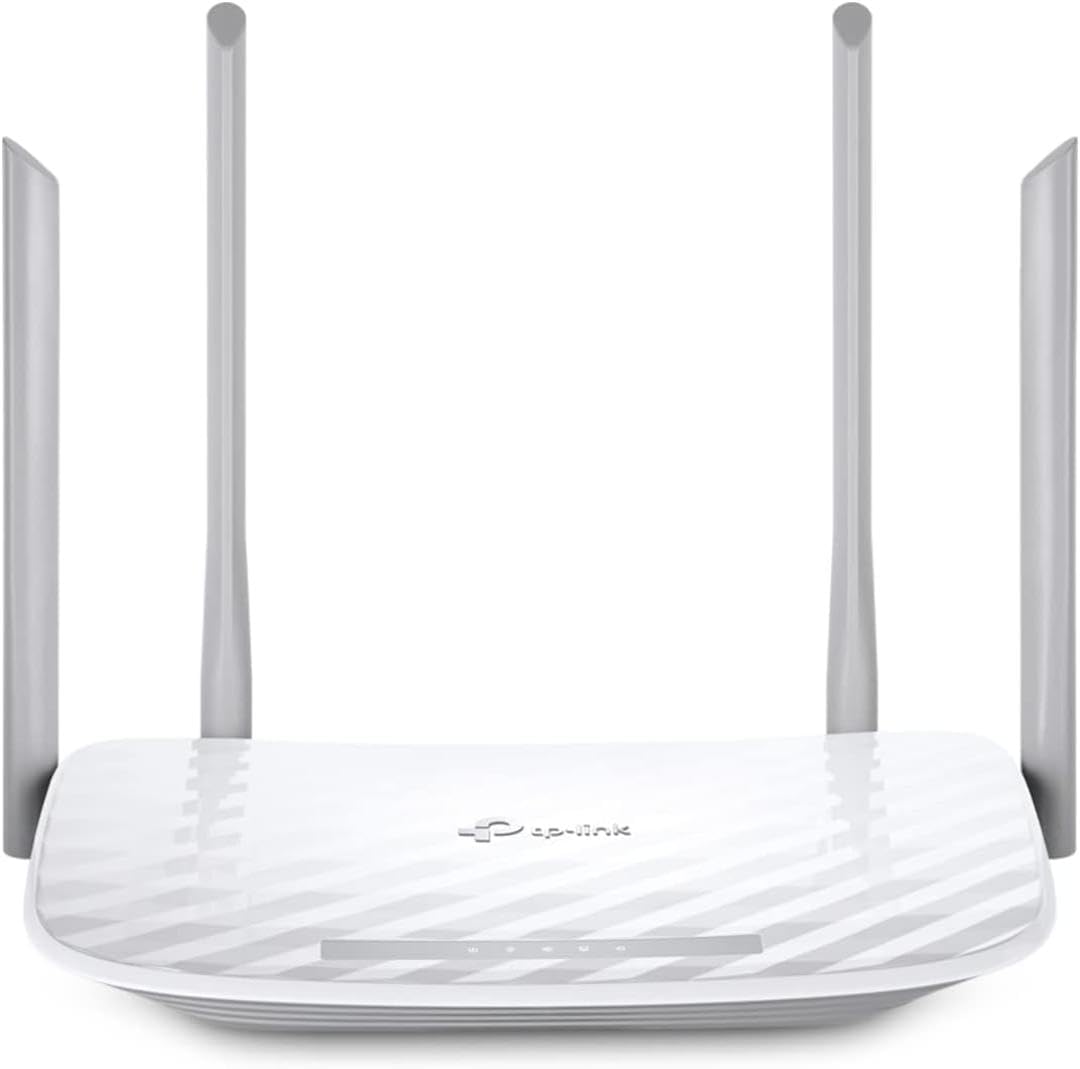
TP-Link AC1200 WiFi Router Dual Band Wireless Internet Router (Archer A54)
4.3Editor score
Dual-band Wi-Fi speeds
1000 sq ft coverage
WPA3 security protocol
Discover the top affordable WiFi routers for 2026. We compare speed, coverage, security, and value to help you find the best cheap WiFi router for your home.
Finding a reliable internet connection starts with choosing the right hardware. A cheap WiFi router can deliver excellent performance without breaking the bank. Whether you need basic browsing or robust streaming, budget models have improved significantly in recent years.
We evaluated ten top-rated options based on real-world performance, user feedback, and technical specifications. Each product offers distinct advantages in speed, range, and security. Our goal is to simplify your search and highlight the most efficient choices available today.
Each pick highlights key strengths and potential trade-offs for informed decisions. Prices fluctuate frequently, so verify current offers before purchasing. This guide ensures you find a router that balances cost with essential capabilities for your specific network needs.
4.3Editor score

4.4Editor score

4.3Editor score
This side-by-side comparison highlights key specifications across all ten products. We focus on speed capabilities, coverage areas, and unique features to help you quickly identify which router fits your household needs best.


The TP-Link Archer A54 is a top contender for budget-conscious shoppers seeking reliable internet. With a 4.3-star rating, it balances cost and performance well. Its dual-band architecture ensures stable connections for everyday tasks like browsing and streaming without unnecessary expense.
We may earn a commission when you buy through this link, at no additional cost to you.
Key strengths include support for EasyMesh, allowing you to expand coverage easily. The Tether app simplifies management, making it easy to update firmware or adjust settings. Security is handled by WPA3, providing modern protection against common threats at a fraction of the cost of premium units.
Trade-offs involve the lack of Gigabit LAN ports, which may limit wired high-speed transfers. It also lacks specialized gaming features found in higher-end models. These limitations are acceptable given the price, as wireless speeds remain sufficient for most standard household usage scenarios.
This router is ideal for small apartments or families on a tight budget. If you need basic connectivity without premium bells and whistles, the A54 delivers consistent performance. It remains a solid entry point for those new to router management or seeking an affordable replacement.
It handles standard streaming and browsing smoothly without lag under normal loads.
Pairing with compatible extenders helps you cover larger homes without buying a whole new system.
We may earn a commission when you buy through this link, at no additional cost to you.
The Archer AX21 stands out as a leading choice for those wanting next-gen features at a low cost. Its 4.4-star rating reflects consistent user satisfaction with performance and reliability. This router embraces Wi-Fi 6, offering significant improvements over older AC models for modern households.
We may earn a commission when you buy through this link, at no additional cost to you.
Key strengths include OFDMA technology, which manages multiple device connections efficiently. Beamforming focuses signal strength to your devices, improving range through walls. The inclusion of VPN server capabilities adds flexibility for secure remote access, making it versatile for work or travel needs.
Trade-offs include the absence of a 6GHz band found in newer 6E models. Port selection is limited to standard gigabit ethernet. These gaps are acceptable for most users who prioritize wireless speed and capacity over extreme throughput or advanced wired configurations.
This router suits households with many connected devices, such as smart homes or families sharing bandwidth. It is a robust choice for streaming and gaming without overspending. We recommend it as a top pick for balancing future-proofing with affordability in 2026.
OFDMA ensures that your smart bulbs and phones do not slow down your 4K stream.
Signals are directed specifically to connected devices, reducing dead zones in larger rooms.
We may earn a commission when you buy through this link, at no additional cost to you.
The AXE75 delivers premium performance for demanding environments where speed and low latency are critical. With a 4.3-star rating, it proves reliable for high-bandwidth activities. Its Tri-Band design separates traffic across three frequencies, reducing congestion significantly compared to dual-band alternatives.
We may earn a commission when you buy through this link, at no additional cost to you.
Key strengths lie in the dedicated 6GHz band, which offers near-zero interference for compatible devices. This is ideal for VR, gaming, and 8K streaming. The 512MB memory ensures smooth processing even when dozens of devices connect simultaneously without slowing down network response times.
Trade-offs involve a higher price tag and larger physical size. It might be unnecessary for smaller homes with fewer users. However, for tech enthusiasts or large households with heavy data usage, these costs are justified by the superior performance and reduced latency provided by the 6GHz spectrum.
This router is recommended for power users, gamers, and large families needing maximum bandwidth. It future-proofs your network against upcoming device demands. If you want the best wireless experience without buying a whole mesh system, this model offers compelling premium features at a reasonable price point.
Compatible devices get exclusive access to the 6GHz channel, avoiding crowded 2.4GHz traffic.
Three bands allow simultaneous heavy use across gaming, streaming, and smart home tasks.
We may earn a commission when you buy through this link, at no additional cost to you.
The Nighthawk R6700AX offers a robust WiFi 6 experience with a reputation for reliability. It holds a 4.2-star rating, indicating solid performance for most users. Its coverage area extends up to 1,500 square feet, making it a strong fit for medium-sized homes needing consistent signals.
We may earn a commission when you buy through this link, at no additional cost to you.
Key strengths include the intuitive Nighthawk app, which lets you pause devices or run speed tests easily. The hardware supports WPA3 encryption for better security. Four Gigabit LAN ports ensure you can connect consoles or PCs directly for stable, high-speed data transfers without wireless loss.
Trade-offs include the need for a paid subscription after the initial trial for advanced security features. The interface can be slightly complex for first-time users. These issues are manageable, as the core routing performance remains excellent for streaming and browsing tasks in everyday scenarios.
This router is ideal for users who value brand trust and app features. It suits families needing reliable coverage over a larger area. If you want a balance of speed and manageability, the Nighthawk line provides a trusted choice that adapts well to growing device needs.
The app simplifies controlling guest networks and pausing internet access for kids.
Beamforming technology helps push signal through walls to reach distant rooms easily.
We may earn a commission when you buy through this link, at no additional cost to you.
The Tenda AC6 is designed for users seeking the simplest, most affordable solution. Its 4.0 rating reflects its focus on basic reliability. This router uses four powerful antennas to ensure broad signal reach, making it a practical option for smaller spaces or basic internet access.
We may earn a commission when you buy through this link, at no additional cost to you.
Key strengths include quick setup via its dedicated app and straightforward parental controls. The AC1200 standard provides enough speed for standard HD streaming. Its design emphasizes usability, avoiding complex technical settings that might overwhelm casual users looking for a plug-and-play experience.
Trade-offs involve Fast Ethernet ports that cap wired speeds at 100Mbps. This limits use for those with gigabit plans. While wireless performance is decent, heavy downloads may not reach full ISP speeds. For purely wireless setups, these limitations are rarely impactful on daily performance.
This router is best for renters or those with basic internet plans under 100Mbps. It offers value without unnecessary complexity. If you need a secondary router or a simple replacement, the Tenda AC6 delivers functional performance at a very competitive price point.
You can configure the entire network in minutes using the smartphone application interface.
Four high-gain antennas help maintain stable connections even in areas with physical obstructions.
We may earn a commission when you buy through this link, at no additional cost to you.
The Archer A6 is a highly rated workhorse offering reliable performance for everyday needs. With a 4.5-star rating, it stands out for consistency. Its Gigabit LAN ports ensure wired devices get full speed, making it a strong choice for households with desktops or gaming consoles.
We may earn a commission when you buy through this link, at no additional cost to you.
Key strengths include strong MU-MIMO performance, which helps multiple devices connect efficiently. The OneMesh compatibility allows for network expansion without changing SSIDs. Users appreciate the solid build quality and straightforward management via the Tether app for maintaining network health.
Trade-offs include the lack of USB ports for sharing storage or printers. The web interface is functional but less polished than premium models. These limitations are minor for most home users who prioritize core Wi-Fi performance and wired connectivity over extra peripheral features.
This router suits users who need Gigabit wired speeds without paying for premium features. It is an excellent choice for small to medium homes. If you want a dependable connection for gaming or video calls, the A6 provides solid performance at a reasonable price point.
Four ports allow you to connect multiple devices at full internet plan speeds easily.
Adding an extender creates a single network name so devices switch without dropping.
We may earn a commission when you buy through this link, at no additional cost to you.
The renewed Archer AX1450 brings WiFi 6 technology to budget shoppers through refurbished units. Its 4.2 rating suggests consistent quality despite being pre-owned. You get similar specs to new models, including OFDMA and beamforming, which ensure efficient device management and better signal coverage.
We may earn a commission when you buy through this link, at no additional cost to you.
Key strengths include Target Wake Time, which reduces device power consumption significantly. This extends battery life for connected gadgets like phones or sensors. The router handles multiple streams well, making it a practical option for families looking to upgrade hardware without full retail costs.
Trade-offs involve a potentially shorter warranty and varying physical conditions. You rely on the seller for quality assurance. While functionally identical to new units, cosmetic wear may exist. For environmentally conscious users, this option offers great value with minimal performance compromise on daily tasks.
This router is ideal for those wanting Wi-Fi 6 performance at the lowest cost. It suits standard households needing efficient bandwidth management. If you are comfortable buying refurbished to save money, this model provides a modern networking experience without the premium price tag.
Scheduled wake periods help your IoT devices save power, reducing battery drain over time.
Experience faster speeds and better congestion handling compared to older AC router models.
We may earn a commission when you buy through this link, at no additional cost to you.
The Archer A8 delivers strong AC1900 performance with reliable connectivity for multiple users. With a 4.5-star rating, it remains a favorite for its speed. The AC1900 standard offers higher throughput than lower-end AC models, making it a suitable choice for households with multiple simultaneous streams.
We may earn a commission when you buy through this link, at no additional cost to you.
Key strengths include MU-MIMO technology, which allows efficient communication with many devices. The parental controls help manage screen time effectively. Users find the Tether app easy to navigate, ensuring that network settings are accessible and simple to adjust for family needs.
Trade-offs involve using older AC technology rather than newer WiFi 6. This means less efficiency for very dense device networks. However, for most homes, the speed is sufficient. Its stability and ease of use make it a reliable choice for those not needing the latest Wi-Fi standards.
This router suits users needing high AC speeds without upgrading to WiFi 6. It is great for streaming-heavy households. If you want a balance of speed and manageable features, the A8 offers consistent performance that supports large media usage without network bottlenecks or drops.
With 1900 Mbps, you can handle multiple 4K streams without buffering interruptions at all.
Multiple data streams allow devices to communicate simultaneously, reducing lag effectively.
We may earn a commission when you buy through this link, at no additional cost to you.
The Archer BE230 pioneers Wi-Fi 7 technology for early adopters seeking top-tier performance. Its 4.2 rating indicates promising potential for future needs. The BE3600 standard delivers massive speed capabilities, ideal for high-bandwidth activities like 8K streaming and advanced AR applications.
We may earn a commission when you buy through this link, at no additional cost to you.
Key strengths include Multi-Link Operation, which aggregates bands for faster throughput. The 2.5G ports support gigabit-plus internet plans effectively. A powerful quad-core processor ensures low latency, making it a robust choice for competitive gaming and seamless media transfers across your home.
Trade-offs include a higher price point and limited device support initially. Most users may not have Wi-Fi 7 hardware yet. However, its future-proofing ensures longevity. For those planning long-term setups or with fast internet, this router offers unmatched speed headroom for emerging tech needs.
This router is ideal for tech enthusiasts with fast internet plans. It suits homes needing extreme speed headroom. If you want the fastest available networking today, this model provides cutting-edge features that will support your devices as technology evolves over the next years.
Combining 5GHz and 2.4GHz bands boosts overall throughput for high-demand activities.
Supports gigabit-plus internet plans, removing wired bottlenecks for PC and console users.
We may earn a commission when you buy through this link, at no additional cost to you.
The ASUS RT-AX1800S combines robust WiFi 6 performance with strong security features. Its 4.3 rating reflects trust in its stability. It offers a unique advantage with subscription-free security, protecting your home network without recurring fees, making it an excellent choice for privacy-focused users.
We may earn a commission when you buy through this link, at no additional cost to you.
Key strengths include the built-in VPN and extensive port selection, allowing versatile wired connections. AiMesh compatibility helps build large networks easily. The 1024-QAM support boosts speed significantly for compatible devices, ensuring efficient data transfers for high-demand usage scenarios.
Trade-offs include a slightly higher cost than standard AC models. The software can be complex initially. However, the value of free security and advanced features outweighs this. For households needing strong data protection, this router offers exceptional utility for modern internet needs.
This router suits users needing secure, scalable networks. It is ideal for medium homes requiring strong protection. If you want to avoid monthly fees while keeping your network secure, the RT-AX1800S delivers powerful features that ensure safety and performance without hidden costs.
Built-in protection helps keep your data safe without extra monthly fees or plans.
More ports allow you to connect more wired devices for stable network access.
We may earn a commission when you buy through this link, at no additional cost to you.
Selecting the right cheap WiFi router involves balancing performance needs with your specific network environment. This guide highlights critical factors to ensure you make a smart investment.
The Wi-Fi standard dictates speed and efficiency. AC models are affordable but aging; AX (Wi-Fi 6) offers better multi-device handling. For future-proofing, consider 6E if your devices support it. Older standards suit basic browsing, while newer ones handle streaming better.
Choose Wi-Fi 6 (AX) for the best balance of cost and modern performance.
Coverage depends on antenna count and transmit power. Budget routers typically cover 1000 to 1500 sq ft. Larger homes may need mesh systems or extenders. Check specifications carefully to ensure the router matches your square footage needs.
Match the rated coverage to your home size for consistent signal strength.
Gigabit ports are essential for high-speed internet plans. Some budget units offer Fast Ethernet (100 Mbps), limiting wired speeds. If you use PCs or consoles, ensure the router has Gigabit LAN ports for optimal performance.
Always verify ports match your internet plan speed requirements.
WPA3 is the modern standard for network security. Some routers include subscription-based antivirus, which adds cost. Look for built-in WPA3 support to protect against threats without recurring fees.
Ensure WPA3 support is included in the router's security package.
Mobile apps simplify setup and management. Routers like TP-Link's Tether or NETGEAR's Nighthawk app offer intuitive interfaces. A user-friendly interface helps you monitor traffic and update firmware easily.
Prioritize models with dedicated apps for easier network control.
If you plan to expand later, look for Mesh compatibility. Many budget routers support OneMesh or EasyMesh, allowing you to add extenders without changing settings. This flexibility ensures your network grows with your needs.
Check for Mesh compatibility if you might need more range later.
Determine your spending limit before shopping. Entry-level AC models are cheapest, while AX models cost slightly more. Decide if you need premium features or just basic connectivity.
Set a clear budget to narrow down your options efficiently.
Reliable support can save time if issues arise. Major brands like TP-Link and NETGEAR offer robust phone support. Check availability hours and community forums before buying.
Choose a brand with accessible support for troubleshooting help.
When setting up your router, place it in a central location away from thick walls or metal objects. Elevate it on a shelf or mount it high to ensure even signal distribution. Avoid placing it near microwaves or cordless phones that may interfere with signals.
Keep your router's firmware updated to patch security vulnerabilities. Most modern routers support automatic updates via their apps. Regular checks ensure you have the latest performance improvements. This simple step maintains optimal speed and protects your network from new threats.
Periodically reboot your router to clear temporary glitches. Unplug it for 30 seconds and plug it back in. For wired connections, use Ethernet cables for gaming or work devices. This setup reduces lag and ensures stability where wireless signals might struggle.
Yes, most budget models support apps like Netflix and YouTube. Ensure you pick a router with dual-band support for better performance. Wi-Fi 6 models handle high-definition streams more efficiently.
Yes, as long as the router has Gigabit ports. Fiber plans often exceed 100 Mbps, so verify port specs. Budget models may limit speeds to 100 Mbps if they lack Gigabit LAN ports.
Most budget routers handle 10 to 20 devices comfortably. For larger smart homes, consider AX models for better management. Older AC models might struggle with simultaneous heavy loads.
AC uses older Wi-Fi standards; AX uses Wi-Fi 6. AX offers better efficiency for multiple devices and higher speeds. AC is cheaper but lacks modern congestion handling features found in newer AX units.
Yes, renewed units from reputable sellers are safe. They undergo testing to ensure functionality. Warranty coverage varies, so check return policies before purchasing used or refurbished hardware.
Yes, these routers do not include built-in modems. They require a separate modem to connect to your ISP. Some providers sell modem-router combos, but separate units offer better flexibility.
Check for firmware updates monthly or enable automatic updates. Regular updates fix bugs and security flaws. Keeping firmware current ensures your network runs smoothly without interruptions.
Yes, many budget routers support Mesh or EasyMesh modes. Adding compatible extenders helps cover larger spaces. This approach is often cheaper than buying an expensive whole-home mesh system.
Choosing the right router ensures smooth internet experiences without overspending. Our top picks cover a range of needs from basic browsing to high-speed streaming. The TP-Link Archer A54 stands out for budget users, while the AX1800 offers modern features for growing homes.
Prioritize your specific needs like coverage area, port selection, and security features. Consider future needs by selecting newer standards like Wi-Fi 6 if possible. Investing a bit more now can prevent frequent replacements and ensure stable connectivity for years.
Prices change often, so review current deals before buying. Use our comparison table to find the model that fits your budget best. With the right choice, you can enjoy fast, reliable internet without compromising on essential network features.