
Mares Puck Pro EZ
4.8Editor score
High contrast screen
Single button control
Nitrox support
Bluetooth connectivity
Explore our expert guide comparing the best dive computer for beginners. We review top models for safety, ease of use, and features to help you choose.
Starting your scuba diving journey requires reliable gear to ensure safety underwater. A dive computer for beginners helps track depth and time while calculating decompression limits. Choosing the right model makes learning easier and more enjoyable for new divers.
We compared ten top-rated dive computers focusing on usability, safety features, and value. Each product was evaluated for clear displays, intuitive controls, and essential functions like nitrox support. This list covers a range of options from simple wrist units to advanced watches.
Every pick highlights key strengths and ideal user profiles to match your diving style. Note that product prices and availability may change over time so verify current details. Use this guide to find a reliable computer that grows with your skills.
4.8Editor score

4.7Editor score

4.6Editor score
The following table compares all ten dive computers side by side. Look at key specifications like display type and connectivity to find the best fit for your needs.


The Shearwater Research Peregrine is a top choice for beginners seeking reliability and ease of use. With a 4.7 rating, it offers a clear display and intuitive controls that simplify underwater navigation. Its state aware menu adjusts to your dive phase making it user friendly.
We may earn a commission when you buy through this link, at no additional cost to you.
Key strengths include a two button interface that avoids complex sequences and stainless steel buttons for durability. The wireless charging station ensures you never run out of power during a dive trip. This design prioritizes safety and simplicity for new divers.
While the price is higher than basic models the build quality justifies the cost. The menu system requires some practice but becomes second nature quickly. These trade offs are acceptable given the safety features and long term reliability provided.
Beginners who want a computer that grows with their skills should consider this model. It balances advanced features with beginner friendly operation making it a solid investment. We recommend it for those prioritizing safety and ease of use.
The two button interface simplifies menu access reducing cognitive load during dives.
Wireless charging and long battery life ensure the device stays ready for every dive.
We may earn a commission when you buy through this link, at no additional cost to you.
The Mares Puck Pro EZ stands out as a budget friendly option with a 4.8 rating. It features a bright high contrast screen ensuring all data is visible in various lighting conditions. This model is perfect for beginners who want simplicity without sacrificing safety.
We may earn a commission when you buy through this link, at no additional cost to you.
Its single button interface makes navigation straightforward even with gloves on. The Buhlmann ZH-L16C algorithm provides reliable decompression calculations for safe diving. Bluetooth connectivity allows easy transfer of dive logs to smartphones for tracking progress.
While it lacks advanced features like tank pressure monitoring the core functions are solid. The wrist mount may not suit everyone but offers comfort and ease. These limitations are acceptable for recreational divers starting out.
We recommend this computer for budget conscious beginners seeking a reliable tool. It delivers essential safety features at an accessible price. Ideal for those diving primarily in air or nitrox modes.
The high contrast screen ensures depth and time are readable even in low light.
Bluetooth allows quick upload of dive logs to apps for easy review.
We may earn a commission when you buy through this link, at no additional cost to you.
The Garmin Descent Mk3i is a premium watch style dive computer with a 4.6 rating. It boasts a vibrant AMOLED display and sapphire lens for clarity and durability. This model offers advanced features like dive readiness tools and dive-to-diver messaging.
We may earn a commission when you buy through this link, at no additional cost to you.
Key strengths include multi-band GPS for surface navigation and comprehensive health monitoring. The dive readiness tool uses sleep and exercise data to advise on dive safety. These features support a holistic approach to diving fitness and safety.
The high price and complexity may overwhelm absolute beginners but offer room to grow. The sapphire lens ensures scratch resistance in harsh environments. These trade offs are justified for divers seeking top tier technology.
We recommend this for beginners with higher budgets who want a smartwatch and dive computer. It suits those planning to advance to technical diving or enjoy extensive connectivity. Ideal for tech savvy users wanting premium features.
The dive readiness tool helps assess physical preparedness based on lifestyle factors.
AMOLED technology ensures vibrant colors and readability even in bright sunlight.
We may earn a commission when you buy through this link, at no additional cost to you.
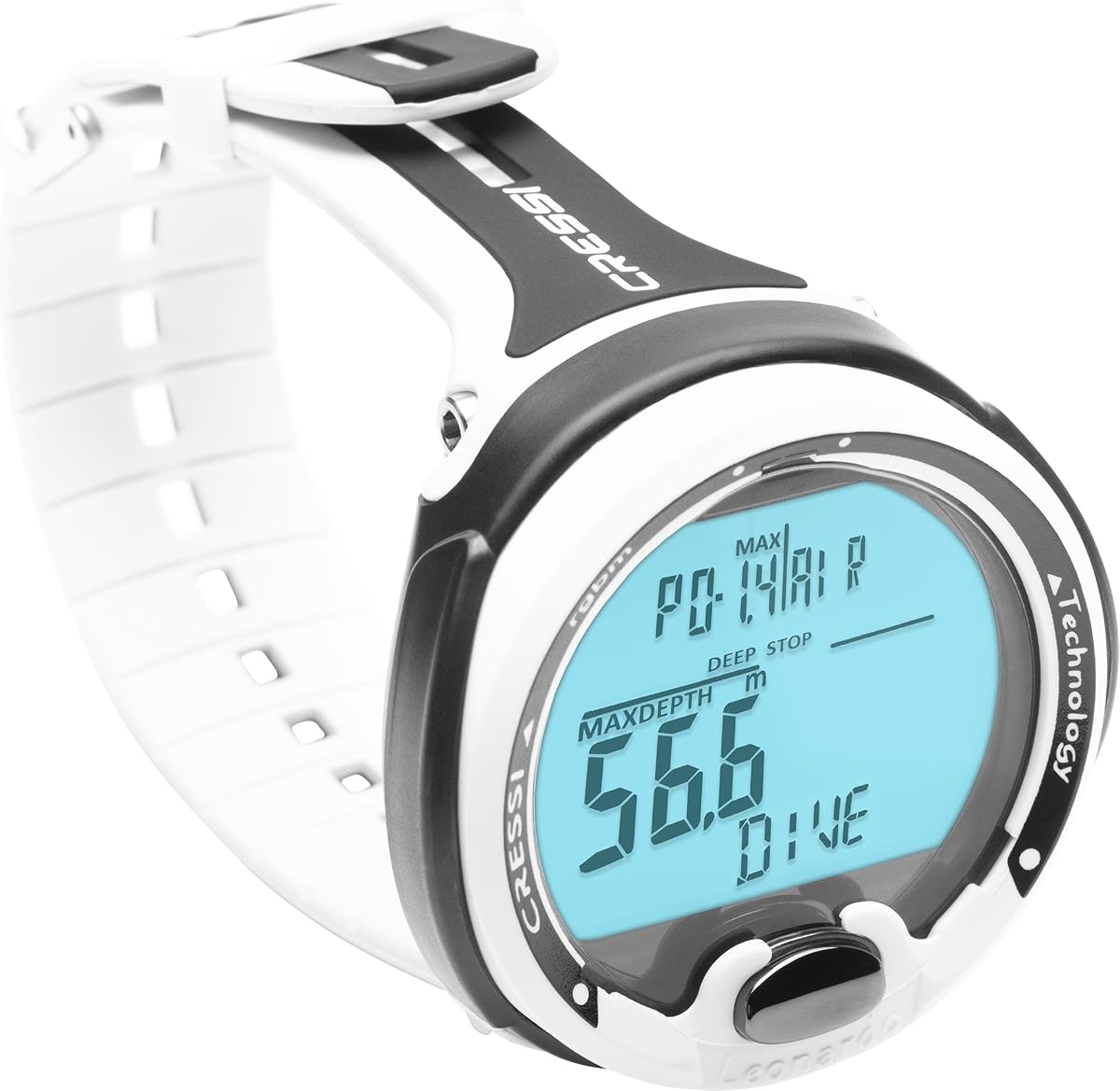
The CRESSI Leonardo 2.0 brings Italian craftsmanship to beginners with a 4.2 rating. It features a single button interface and supports air nitrox modes for versatility. The visual and audible alarms help ensure you stay safe underwater.
We may earn a commission when you buy through this link, at no additional cost to you.
Its seamless integration with iOS and Android devices allows easy dive tracking. Infrared data transfer helps manage logs on your device. This simplicity makes it a great choice for those prioritizing essential functions.
While it lacks wireless tank monitoring the core features are reliable. The lightweight design ensures comfort for long dives. These trade offs are acceptable for recreational divers focusing on simplicity.
We recommend this for beginners seeking a no fuss dive watch. It offers solid safety features and easy connectivity. Ideal for those who value simplicity and brand heritage.
Audible and visual alarms ensure critical data is never missed during a dive.
Pairing with smartphones helps divers track progress and share dives easily.
We may earn a commission when you buy through this link, at no additional cost to you.
The Cressi Donatello offers versatile diving modes with a 4.4 rating. It supports both scuba and freediving making it ideal for multi activity divers. The single button interface ensures easy navigation underwater.
We may earn a commission when you buy through this link, at no additional cost to you.
Key strengths include air and nitrox modes plus user selectable deep stops. This customization enhances safety during ascent phases. The freediving gauge mode adds value for breath-hold enthusiasts.
The optional IR interface means data transfer may require extra steps. While the display is basic it meets essential needs. These trade offs are acceptable for divers seeking flexibility.
We recommend this for beginners who freedive and scuba dive. It offers a comprehensive tool for various underwater activities. Ideal for those valuing versatility.
Gauge mode supports breath-hold diving sessions seamlessly.
Deep stops allow personalized ascent management for safer dives.
We may earn a commission when you buy through this link, at no additional cost to you.
The Cressi Raffaello features a built-in digital compass with a 4.4 rating. This eliminates the need for a separate tool enhancing convenience underwater. RGBM mixed-gas planning allows for detailed dive preparation.
We may earn a commission when you buy through this link, at no additional cost to you.
Bluetooth and USB connectivity options provide flexible data transfer. The user replaceable battery offers an expected four year life. These features ensure long term usability and minimal maintenance.
The RGBM system may require learning for beginners but improves safety. The compass is a valuable addition for navigation. These trade offs are acceptable for those seeking integrated navigation.
We recommend this for divers who value navigation tools. It combines standard features with a compass. Ideal for those exploring new dive sites frequently.
A built-in compass simplifies underwater orientation without extra gear.
A replaceable battery ensures years of use without frequent changes.
We may earn a commission when you buy through this link, at no additional cost to you.
The SUUNTO D5 offers a color display and wireless tank pressure with a 4.0 rating. This connectivity allows you to monitor tank levels directly on your wrist. Vibration alarms add a discreet safety alert option.
We may earn a commission when you buy through this link, at no additional cost to you.
Key strengths include a digital compass and 100m water resistance. The wireless feature simplifies gear setup and reduces clutter. These elements support a streamlined diving experience.
Battery life may be shorter than models with simpler screens. The wireless range is limited to proximity. These trade offs are acceptable for those prioritizing tank monitoring.
We recommend this for divers valuing real-time tank data. It offers convenience and essential safety features. Ideal for those who prefer wireless connectivity.
Monitor tank pressure directly on your wrist without checking your tank.
Vibration alarms notify you of critical data without audio.
We may earn a commission when you buy through this link, at no additional cost to you.
The Garmin Descent G2 blends smartwatch functionality with diving capabilities with a 4.6 rating. It supports multiple diving types including pool apnea. Dive readiness insights help track your physical preparedness.
We may earn a commission when you buy through this link, at no additional cost to you.
Key strengths include multi-GNSS support and comprehensive health monitoring. Smart notifications and payment features make it a daily wear. The recycled materials align with eco-friendly practices.
Battery life varies based on feature usage. While expensive it combines a dive computer and smartwatch. These trade offs are acceptable for versatile users.
We recommend this for active divers needing a smartwatch. It offers comprehensive tracking and diving tools. Ideal for those prioritizing a single device.
Smart notifications and payments make it useful outside of diving.
Recycled ocean-bound plastics reduce environmental impact.
We may earn a commission when you buy through this link, at no additional cost to you.
The Garmin Descent X30 features surface GPS for navigation with a 4.7 rating. It is built with recycled ocean-bound plastics ensuring durability. The flip screen mode allows easy viewing without changing position.
We may earn a commission when you buy through this link, at no additional cost to you.
Key strengths include trimix support and advanced depth metrics. The GPS helps mark entry points and navigate to dive sites. These features support technical and recreational diving alike.
The interface may have a learning curve for new divers. While expensive the features justify the cost. These trade offs are acceptable for serious divers.
We recommend this for those exploring new dive sites. It offers superior navigation and support. Ideal for divers prioritizing GPS features.
GPS helps you find entry points and track surface routes easily.
Recycled plastics create a durable and sustainable housing.
We may earn a commission when you buy through this link, at no additional cost to you.
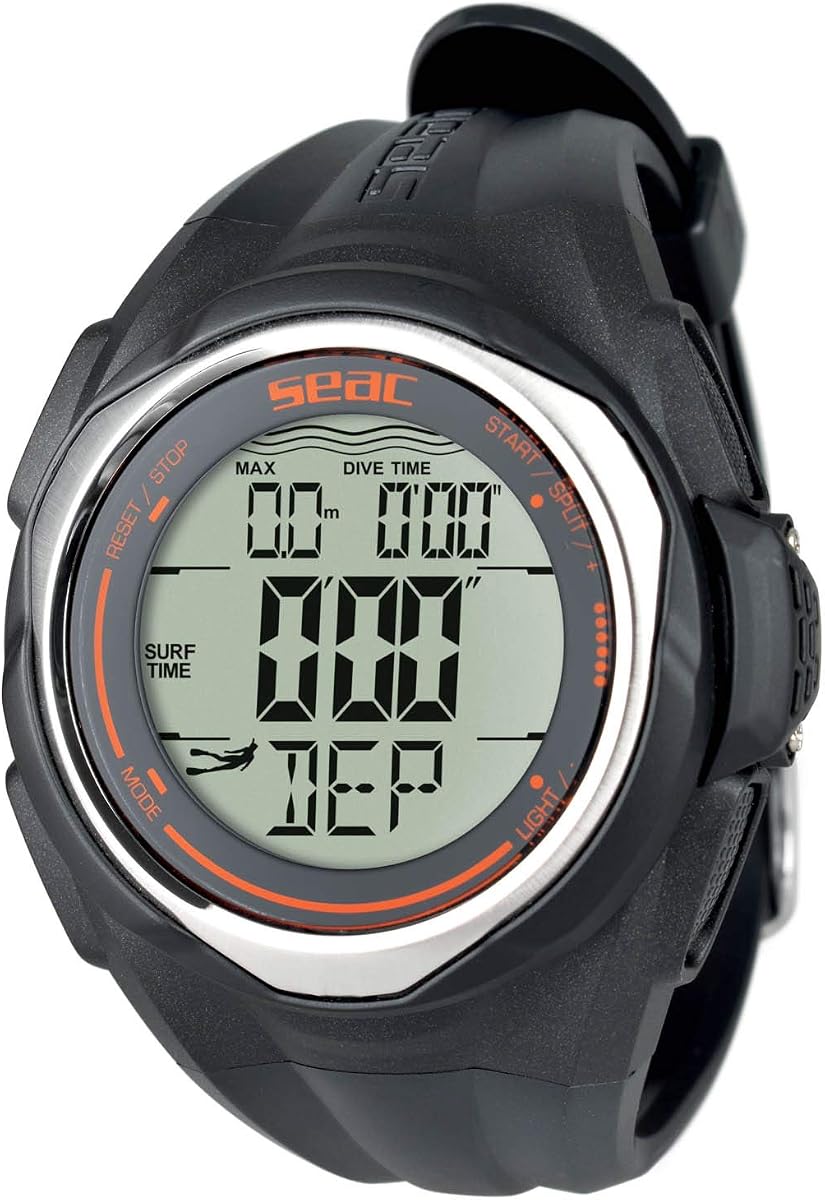
The SEAC Partner is a specialized freediving computer with a 4.0 rating. It includes a stopwatch and countdown function for breath-hold dives. The backlit display ensures visibility in low light.
We may earn a commission when you buy through this link, at no additional cost to you.
Key strengths include logging up to 99 dives and a standard CR2032 battery. It is water resistant to 100m for safety. These features serve simple tracking needs.
It lacks advanced decompression features for scuba diving. The display is basic compared to modern units. These trade offs are acceptable for freedivers only.
We recommend this for freedivers starting out. It offers essential tracking tools. Ideal for those focused on breath-hold diving.
Store up to 99 dives to review your progress over time.
Stopwatch functions allow precise timing without complex menus.
We may earn a commission when you buy through this link, at no additional cost to you.
Selecting the right dive computer requires understanding key factors that match your diving style and budget.
The display is your primary interface underwater. Look for high contrast screens with clear digits and backlighting. Large text ensures you can read data without removing your mask.
Prioritize models with bright backlit displays for low light conditions.
Beginners benefit from simple controls. Single button or two button interfaces reduce complexity during dives. Avoid models with multiple buttons unless you plan advanced dives.
Choose a system that lets you navigate menus easily.
Ensure the computer supports your intended diving modes. Most beginners start with air but nitrox is common. Verify the device handles nitrox if you plan to use enriched air.
Check for nitrox compatibility to ensure future safety needs.
Modern computers allow dive logging and sharing. Bluetooth or USB connectivity helps transfer data to your phone or PC. This enables tracking progress and analyzing dives.
Look for Bluetooth features to simplify log management.
Battery life affects trip planning. Some models use replaceable batteries while others charge via USB. Ensure the battery lasts for multiple dives to avoid interruptions.
Prioritize long battery life to reduce maintenance.
Alarms alert you to critical limits like depth or ascent rate. Visual or audible alarms ensure you notice warnings. A good model provides clear and timely alerts.
Choose units with distinct alarms for safety.
A dive computer should be comfortable to wear for long periods. Wrist mounts should be adjustable and lightweight. Ensure the housing is compact enough for your wrist size.
Test fit or check strap dimensions for comfort.
Decompression algorithms calculate safe dive times. Industry standard algorithms like Buhlmann are reliable for beginners. These ensure safe limits to avoid decompression sickness.
Verify the computer uses proven decompression algorithms.
Before diving, read the manual to understand the interface. Practice using the buttons at home to build familiarity. This ensures you can access menus quickly underwater.
After each dive, rinse the device with fresh water to remove salt. Dry it thoroughly before storing to prevent corrosion. Check the battery or charge status regularly.
Store the computer in a cool dry place away from direct sunlight. Protect the screen from scratches by using a case or soft pouch. Regular maintenance ensures longevity and reliability.
The Shearwater Research Peregrine is often considered the best overall. It offers a clear display and intuitive controls that simplify navigation. For budget-conscious options, the Mares Puck Pro EZ is highly rated for simplicity.
While tables exist, a dive computer is recommended for safety. It tracks real-time data like depth and no-decompression limits. Most dive operators require divers to use one.
A quality dive computer can last five to ten years with proper care. Regular maintenance like rinsing and storage protects against corrosion. Battery replacements may be needed periodically.
Air mode calculates decompression for standard air dives. Nitrox mode adjusts calculations for enriched air mixtures. Beginners planning to dive nitrox should choose a computer with this support.
Some models offer wireless tank pressure monitoring. Others require a separate gauge. Beginners may prioritize simplicity and skip this feature initially.
Check for firmware updates via Bluetooth or USB annually. Updates improve algorithm accuracy and functionality. Most brands provide software for easy updates.
Look for ascent rate alarms and no-decompression limits. Visual and audible alerts ensure you notice warnings. Reliable alarms are essential for safe diving.
Wrist models are more convenient and versatile. Console models attach to your air tank. Beginners often prefer wrist units for simplicity and ease.
We have reviewed ten top dive computers suitable for beginners. The Shearwater Research Peregrine leads with reliability and ease of use. Budget options like the Mares Puck Pro EZ offer great value.
Prioritize safety and simplicity when selecting your computer. Ensure it supports your planned diving modes and features. A reliable computer enhances both safety and enjoyment.
Prices and availability may vary so verify current details before purchase. Always read user reviews for the latest feedback. Choose a model that grows with your skills.