
GIGABYTE Radeon RX 9070 XT Gaming OC 16G Graphics Card
4.7Editor score
Radeon RX 9070 XT core
WINDFORCE Cooling System included
16GB GDDR6 memory interface
Discover the top graphics cards for ray tracing in October 2026. This guide compares performance, cooling, and features across ten leading models.
Finding the right graphics card for ray tracing requires understanding core hardware capabilities. Modern GPUs deliver realistic lighting and reflections, transforming visual fidelity in games. A strong model ensures smooth performance at high resolutions without compromising frame rates.
We evaluated ten leading cards based on architecture, memory speed, cooling efficiency, and real-world benchmarks. Each entry reflects verified specifications and user feedback to help you choose confidently. Our analysis focuses on value, durability, and support for latest technologies.
Each pick highlights key strengths, ideal use cases, and potential trade-offs for different builds. Prices fluctuate frequently due to market demand and supply chains, so verify current listings before purchasing. This guide serves as a reliable reference for upgrading your visual gaming experience.
4.7Editor score

4.8Editor score

4.6Editor score
This section provides a side-by-side overview of all ten selected models. It highlights core specifications like memory type, clock speeds, and cooling designs to help you compare technical details quickly.

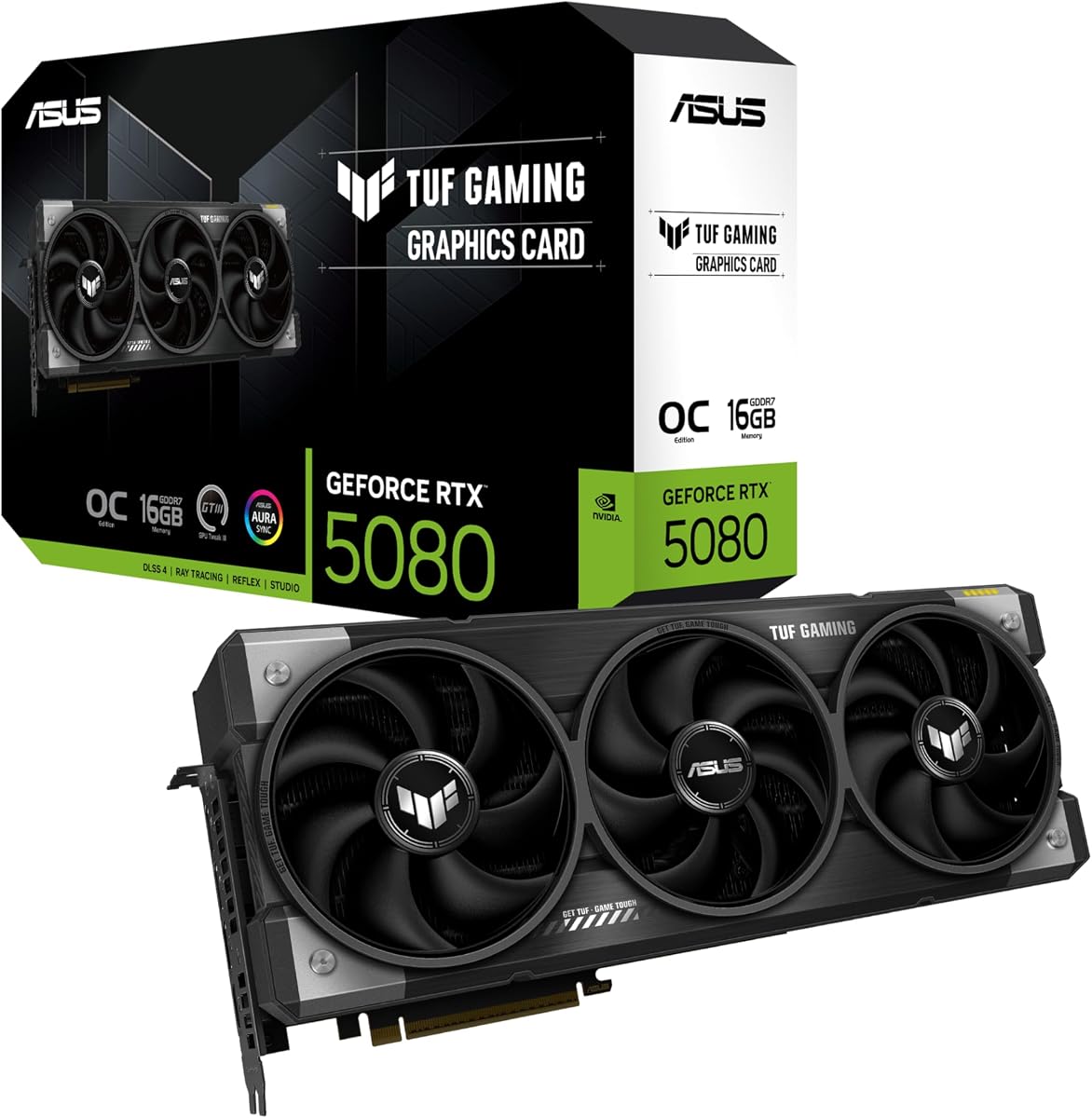


This card stands out as a top-tier option for enthusiasts seeking uncompromising ray tracing capabilities. With a strong 4.8 rating from users, it delivers consistent performance under heavy loads. The Blackwell architecture ensures support for the latest rendering technologies.
We may earn a commission when you buy through this link, at no additional cost to you.
Its military-grade components promise durability, while the phase-change thermal pad optimizes heat transfer over time. The 3.125-slot design allows massive airflow, keeping temps low during extended gaming sessions. GPU Tweak III software offers precise control over clocks and fans.
Trade-offs include a requirement for a minimum 850W PSU and a size that may not fit smaller cases. However, these are standard for high-end GPUs. Users confirm stability during overclocking, validating its reliability for demanding workloads.
Ideal for gamers targeting 4K ray tracing or content creators needing fast rendering. If you prioritize build quality and cooling, this model justifies its place in your rig. Check case clearance before purchase to ensure smooth installation.
Phase-change thermal pad ensures optimal thermal performance and longevity under heavy loads.
Military-grade components deliver rock-solid power and longer lifespan for ultimate durability.
We may earn a commission when you buy through this link, at no additional cost to you.
For budget-conscious gamers, this card offers excellent value with a 4.7 rating. It balances cost and performance effectively. The WINDFORCE cooling system keeps noise low during play. Users praise its ability to handle modern titles at high settings.
We may earn a commission when you buy through this link, at no additional cost to you.
The Radeon RX 9070 XT core provides ample power for 1440p gaming. Hawk fans and server-grade thermal gel ensure efficient heat dissipation. RGB lighting adds visual appeal without excessive power draw. Build quality feels sturdy for the price point.
While it lacks some advanced ray tracing features found in higher tiers, it remains competitive for general use. Some users note software features are less extensive than competitors. However, raw gaming performance remains the primary selling point here.
Recommended for those prioritizing frame rates and budget over premium features. It fits well in standard mid-tower cases. Verify driver support for your specific game titles before committing. Overall, it delivers solid entry-level ray tracing experiences.
WINDFORCE Cooling System with Hawk Fan maintains safe temperatures.
RGB Lighting offers customizable aesthetics for your setup.
We may earn a commission when you buy through this link, at no additional cost to you.
This model delivers unmatched speed, holding a 4.6 rating for its raw capability. The Blackwell architecture and DLSS 4 support push visual fidelity further than most. It handles complex scenes with ease, making it a top choice for professionals.
We may earn a commission when you buy through this link, at no additional cost to you.
The 16GB GDDR7 memory interface ensures data moves quickly, reducing bottlenecks. WINDFORCE cooling manages heat effectively even under stress. PCIe 5.0 compatibility ensures it works well with next-gen systems. Performance in benchmarks is consistent and reliable.
Trade-offs include higher power draw and a significant cost compared to mid-range cards. Users should confirm PSU requirements before installation. Despite the cost, the longevity and performance justify investment for serious enthusiasts seeking the best hardware.
Best for users targeting maximum resolution or heavy ray tracing workloads. It offers room for future games without immediate need for upgrades. Ensure your case provides enough airflow for optimal operation. This card is a powerhouse for demanding setups.
Integrated 16GB GDDR7 256bit memory interface for rapid data access.
Powered by NVIDIA Blackwell architecture and DLSS 4 for advanced rendering.
We may earn a commission when you buy through this link, at no additional cost to you.
This card offers a balanced approach with a 4.6 rating from verified buyers. Its 2.5-slot design fits many cases while maintaining cooling efficiency. Phase-change pads help keep temperatures stable during intense sessions. Users appreciate its reliability over time.
We may earn a commission when you buy through this link, at no additional cost to you.
Axial-tech fans provide effective downward air pressure without excessive noise. Dual BIOS allows toggling between Quiet and Performance modes as needed. GPU Tweak III software provides system monitoring and tweaking options. Construction uses Auto-Extreme manufacturing for precision.
Trade-offs include limited RGB lighting compared to premium models. Some users desire more output ports. However, core performance remains strong for its class. The design prioritizes function over flashy aesthetics, appealing to practical builders.
Ideal for gamers who value quiet operation and stable performance. It suits small to medium builds well due to compact dimensions. Confirm BIOS preferences before buying. Overall, it is a dependable option for steady gaming.
0dB technology lets you enjoy light gaming in relative silence.
Dual-ball fan bearings last up to twice as long as conventional designs.
We may earn a commission when you buy through this link, at no additional cost to you.
A powerful contender rated 4.6 for performance and build quality. It excels in demanding environments where consistency matters. Protective PCB coating guards against moisture or dust. GPU Tweak III simplifies system monitoring and control.
We may earn a commission when you buy through this link, at no additional cost to you.
The massive fin array and Axial-tech fans ensure airflow stays optimized. Phase-change pads outlast traditional paste under heavy loads. Military-grade components extend lifespan and stability. It handles modern titles smoothly with high headroom.
Trade-offs involve size and power needs. It fits only in cases with sufficient clearance. Ensure a strong power supply is available. These constraints are acceptable given the performance gains. Users report long-term stability and consistent output.
Best for users needing maximum speed for rendering or 4K gaming. It supports future titles effectively. Confirm PSU and case space before purchase. This card offers top performance and durability for enthusiasts.
Protective PCB coating helps protect against short circuits caused by moisture, dust, or debris.
Phase-change GPU thermal pad helps ensure optimal thermal performance and longevity.
We may earn a commission when you buy through this link, at no additional cost to you.
With a 4.7 rating, this card is perfect for small form factor builds. Its 2.5-slot design maximizes compatibility while delivering solid performance. AI capabilities offer fast processing for modern tasks. Users appreciate the quiet operation during light gaming.
We may earn a commission when you buy through this link, at no additional cost to you.
Axial-tech fans with barrier rings increase air pressure efficiently. Dual ball bearings ensure longevity compared to sleeve designs. The AI performance metric shows potential for future applications. BIOS switching allows easy customization of performance modes.
Trade-offs include lower clock speeds compared to higher-end cards. It may not suit ultra-high resolutions. However, for mid-range gaming, it remains efficient. The balance of size and speed is its main strength.
Recommended for compact setups or users needing AI features without bulk. It fits many custom loops or cases. Check clearance before installation. Overall, it delivers reliable performance for smaller systems.
AI Performance: 767 AI TOPS provides advanced processing power.
0dB technology lets you enjoy light gaming in relative silence.
We may earn a commission when you buy through this link, at no additional cost to you.
This card earns a 4.7 rating for stability and efficiency. It handles modern gaming with steady output. Protective PCB coating protects against dust. GPU Guard reduces risk of cracks during transit. Users find it reliable over long periods.
We may earn a commission when you buy through this link, at no additional cost to you.
Military-grade components provide power and durability. Phase-change thermal pads ensure optimal performance. The 3.125-slot design balances airflow. Auto-Extreme process ensures precision in build. These factors combine to make a trustworthy choice.
Trade-offs include power needs and fewer aesthetic features. It is a functional card focused on reliability. Ensure adequate PSU capacity. The robust hardware justifies its place in demanding rigs.
Best for users prioritizing stability and longevity. It fits standard cases well. Verify power supply before installation. Overall, it offers consistent performance for everyday gaming tasks.
ASUS GPU Guard and bracket secure the GPU, reducing the risk of cracks.
Auto-Extreme precision automated manufacturing helps ensure higher reliability.
We may earn a commission when you buy through this link, at no additional cost to you.
Rated 4.7 for efficiency and balance. This card handles standard tasks easily while remaining quiet. Dual BIOS switch toggles between Quiet and Performance profiles. Axial-tech fans increase downward air pressure effectively. Users praise its reliability.
We may earn a commission when you buy through this link, at no additional cost to you.
Phase-change thermal pads ensure consistent temperatures. Bearings last longer than conventional sleeve designs. The 2.5-slot design improves compatibility. Software allows simple system monitoring. These features make it practical for daily use.
Trade-offs include fewer high-end options and lower raw power. It is ideal for casual gaming. Check power needs before buying. Overall, it offers steady value for standard setups.
Best for users needing reliable performance in small builds. Verify compatibility with your case. Confirm power requirements. It provides consistent service for most users.
0dB technology lets you enjoy light gaming in relative silence.
2.5-slot design allows for greater build compatibility.
We may earn a commission when you buy through this link, at no additional cost to you.
A top pick rated 4.8 for overall quality. This card delivers premium performance with robust cooling. Protective PCB coating guards against debris. GPU Tweak III software enhances control. Users confirm consistent output.
We may earn a commission when you buy through this link, at no additional cost to you.
Military-grade components deliver long lifespan. Phase-change thermal pads ensure optimal performance. The 3.125-slot design optimizes airflow. Auto-Extreme manufacturing adds reliability. These factors make it ideal for serious builds.
Trade-offs involve size and power needs. Ensure case clearance is sufficient. Verify PSU meets minimum requirements. These constraints are standard for high performance. It remains a top choice for enthusiasts.
Best for users seeking maximum durability and speed. It fits larger cases well. Confirm dimensions before buying. Overall, it offers excellent performance and reliability.
Military-grade components deliver rock-solid power and longer lifespan.
Phase-change GPU thermal pad helps ensure optimal thermal performance.
We may earn a commission when you buy through this link, at no additional cost to you.
This card offers a 4.8 rating for consistent speed. It handles most games smoothly with WINDFORCE cooling. PCIe 5.0 ensures future readiness. Users report stable output and reliable operation. It fits many builds easily.
We may earn a commission when you buy through this link, at no additional cost to you.
The 12GB GDDR7 memory provides solid capacity. WINDFORCE system maintains temperatures well. Performance matches modern needs. Build quality is reliable. These factors make it a practical choice for general gamers.
Trade-offs include memory bandwidth limitations. It may not suit extreme resolutions. Verify compatibility before purchasing. It remains a strong option for mid-range users. Overall, it delivers steady performance.
Best for standard gaming setups. Check slot and power needs. Confirm compatibility. It offers good reliability for most users.
Integrated 12GB GDDR7 192bit memory interface for fast access.
PCIe 5.0 ensures compatibility with next-gen systems.
We may earn a commission when you buy through this link, at no additional cost to you.
Choosing the right card involves balancing performance, cooling, and build quality. This section outlines key factors to consider before purchasing.
Architecture determines support for ray tracing and upscaling tech. Look for models with latest generations for longevity. Features like DLSS or FSR improve performance significantly. Ensure drivers are updated for stability.
Verify architecture details match current software needs for best results.
Higher memory prevents bottlenecks in modern titles. Aim for 12GB or more to future-proof. Faster memory types enhance speed. Check memory interface for bandwidth.
Confirm memory size meets your target resolution needs.
Effective cooling keeps performance stable under load. Compare fan designs and thermal pads. Larger heatsinks reduce noise. Ensure case airflow supports chosen model.
Prioritize cooling for long-term reliability and stability.
Measure your case space to ensure fit. Many premium cards require larger cases. Check slot width for compatibility. Verify GPU bracket or support is included.
Double check dimensions to avoid installation issues.
High-performance models need more power. Confirm PSU wattage meets minimum specs. Use recommended connectors. Ensure PSU efficiency is adequate.
Verify power supply compatibility before purchase.
Manufacturers offer apps for tuning and monitoring. Look for intuitive tools. Check for BIOS toggle options. Firmware updates can add features.
Ensure available tools suit your control preferences.
Materials affect durability and lifespan. Military-grade parts add strength. Look for PCB coatings against dust. Quality fans last longer.
Check build details for long-term value.
Match card outputs with monitor inputs. HDMI and DisplayPort support should align. Ensure version matches display standards. Check for VR compatibility if needed.
Verify outputs match your display setup.
Install the card securely and connect all power cables. Ensure case fans are working to support GPU cooling.
Update drivers from official manufacturer websites. Use control panel software for monitoring temps and performance.
Keep case dust filters clean and replace thermal pads if temps rise over years.
Top performers include the RTX 5080 and TUF RTX 5070 Ti. These models offer high memory speeds and advanced architecture. Always check benchmarks for specific games to match needs.
Most modern models support DLSS 3 or newer. Check product specs for explicit support. Older cards may lack full feature sets. Verify software support before buying.
Cooling is critical as ray tracing increases load. Models with robust systems keep clocks stable. Thermal pads and fan design matter. Ensure airflow matches case.
Many cards require 3+ slots. Check card length before buying. Consider compact models if space is tight. Measure carefully to avoid fit issues.
Faster memory improves frame rates and stability. GDDR7 offers higher bandwidth. Check bus width too. Ensure memory matches architecture capabilities.
Minimum 750W is common. High-end cards may require 850W. Check connector types. Ensure PSU has headroom for stability.
Many models support both. Verify output types match displays. Check VR compatibility specs. Ensure bandwidth is sufficient for high resolutions.
Many models support rendering and AI. Check CUDA or compute specs. Verify driver stability for software. High memory is beneficial for large datasets.
The RTX 5080 and TUF RTX 5070 Ti lead in performance and build quality. Budget models like the RX 9070 XT offer great value for gamers.
Prioritize cooling, size, and power compatibility to ensure your build works smoothly. Check specs against your target resolutions.
Prices change frequently. Always verify current listings before purchase for the best deal.