
Lenovo Business Laptop – Linux Mint (Cinnamon)
4.6Editor score
Affordable entry-level pricing
Fast charging capability
Full number pad included
Choosing the right Linux laptop requires balancing hardware compatibility with performance needs. Whether you are a developer, student, or power user, finding a machine that supports open-source software seamlessly is crucial for productivity and stability in your daily workflow.
We evaluated ten distinct models ranging from budget-friendly business ultrabooks to high-performance workstations. Each device was assessed on processor power, memory capacity, display quality, and native Linux support to ensure they meet the rigorous demands of modern computing tasks.
Every selection below highlights specific strengths and ideal use cases for different audiences. Note that availability and pricing can fluctuate frequently based on market conditions and vendor promotions, so verifying current stock before purchasing is always recommended for best value.
4.6Editor score

5.0Editor score
5.0Editor score
As an Amazon Associate we earn from qualifying purchases.
The following table provides a side-by-side technical comparison of all selected models to help you identify the specific specifications that match your computing requirements and workflow needs.


This Lenovo Thinkbook 13s stands out as a top choice for professionals seeking a reliable business ultrabook with Linux pre-installed. Its solid aluminum chassis and high-quality display make it an attractive option for daily work tasks.
We may earn a commission when you buy through this link, at no additional cost to you.
The device features an Intel Quad Core i7 processor paired with 16GB of RAM, ensuring smooth performance for multitasking and development environments. The inclusion of Linux Mint right out of the box saves significant setup time for new users.
While the processor is from an older generation, it still handles modern workloads effectively. The main trade-off is the limited selection of ports, which might require dongles for connecting multiple peripherals simultaneously.
If you value build quality and a pre-configured Linux experience, this model is highly recommended. It strikes a great balance between performance, portability, and professional aesthetics for office or remote work.
The full aluminum body provides durability and a premium feel, weighing only 2.95 pounds for easy portability.
The 13.3 FHD IPS display offers clear visuals, complemented by a best-in-class backlit keyboard for comfortable typing.
We may earn a commission when you buy through this link, at no additional cost to you.
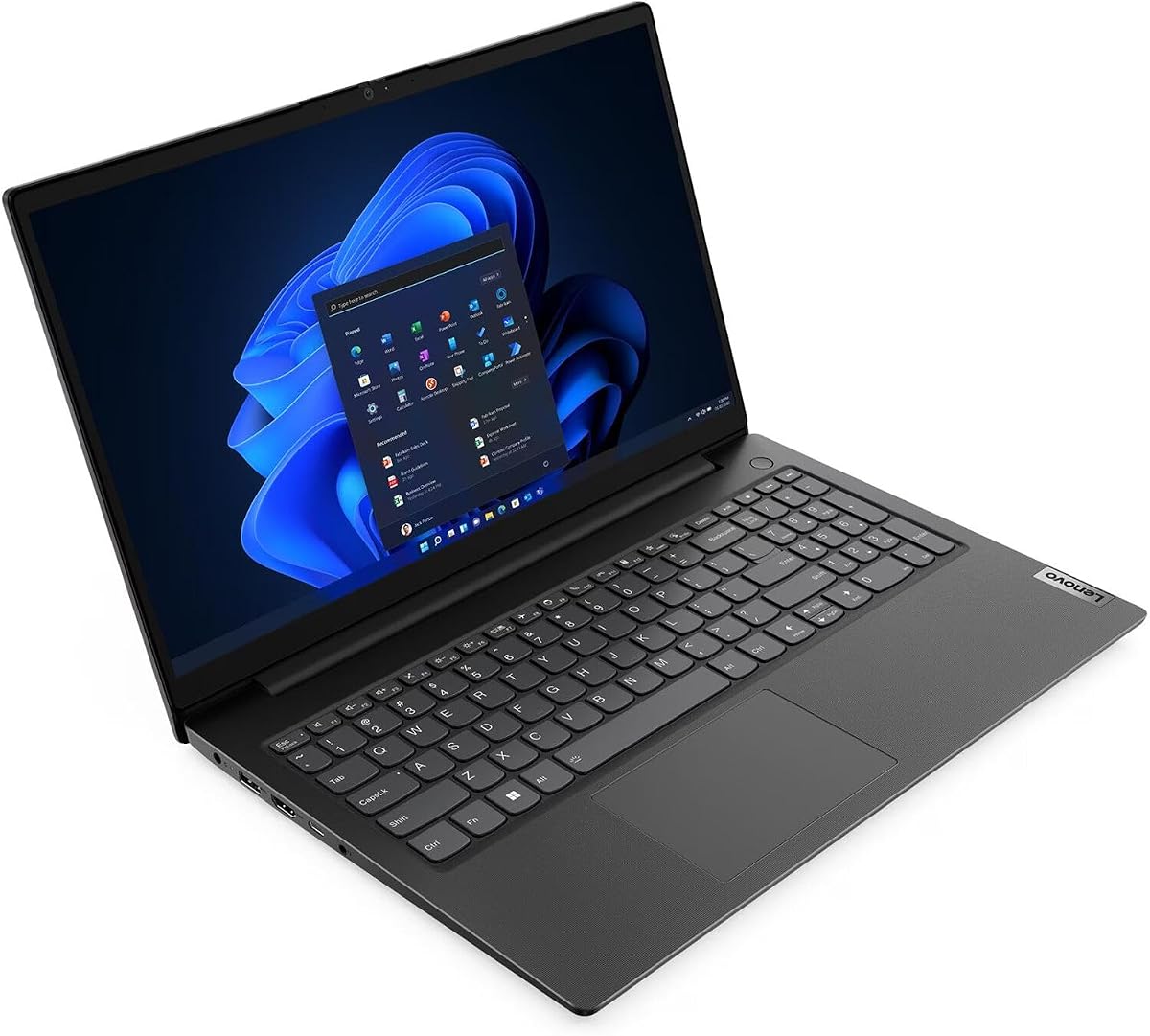
This Lenovo Business Laptop offers excellent value for users needing a capable machine without breaking the bank. It comes with Linux Mint pre-installed, ready for immediate use on various productivity tasks.
We may earn a commission when you buy through this link, at no additional cost to you.
Equipped with a modern Intel Core i5 processor and 16GB of RAM, it handles multitasking efficiently. The full keyboard with number pad is particularly useful for data entry and spreadsheet work.
The build is primarily plastic, which keeps costs down but feels less premium than aluminum alternatives. Additionally, the lack of a touchscreen limits interaction options for those who prefer touch input.
Overall, this is a smart choice for students or budget-conscious professionals. It delivers essential performance and Linux compatibility at a price point that is hard to beat in the current market.
Fast charging support ensures quick top-ups during busy days, while USB ports provide essential connectivity for peripherals.
The 15.6 FHD display provides a large workspace, though non-touch and anti-glare features focus on productivity over media consumption.
We may earn a commission when you buy through this link, at no additional cost to you.
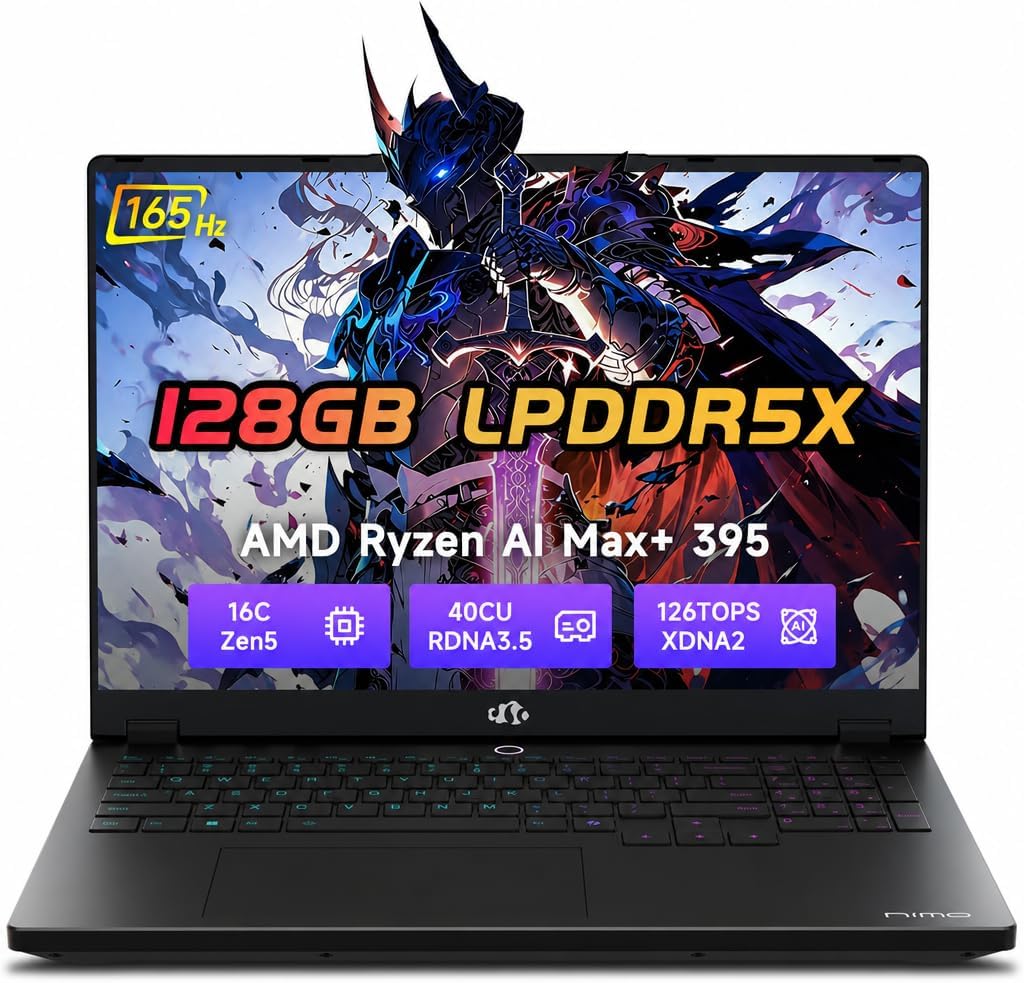
The NIMO 16 Linux AI Laptop represents the pinnacle of performance for Linux users. It is designed for heavy workloads like AI training, local large language models, and complex virtualization tasks.
We may earn a commission when you buy through this link, at no additional cost to you.
With 128GB of LPDDR5x RAM and a powerful AMD Ryzen Max+ processor, it outperforms almost any other laptop in this category. The 4TB SSD offers immense storage for large datasets and project files.
The price is steep, reflecting its high-end specifications and specialized targeting. Additionally, the weight and bulk make it less ideal for frequent travelers compared to ultrabooks in this list.
For developers and researchers requiring maximum computing power locally, this machine is unparalleled. It ensures data privacy and speed without relying on cloud resources, making it a premium investment.
Fine-tune large language models locally with massive memory bandwidth and compute power, eliminating cloud dependencies.
A 16-inch 2.5K display with 165Hz refresh rate ensures smooth visuals, while Thunderbolt support enables triple-screen setups.
We may earn a commission when you buy through this link, at no additional cost to you.
This IdeaPad Slim 3 offers a compelling mix of performance and touch functionality. Pre-installed with Ubuntu Linux, it is ready for coding or general use straight out of the box.
We may earn a commission when you buy through this link, at no additional cost to you.
The AMD Ryzen 7 processor ensures smooth multitasking, while the 1TB SSD provides ample space for apps and files. The inclusion of a stylus pen makes it suitable for note-taking or drawing.
Touch capability adds versatility, though it can slightly impact battery life compared to non-touch models. The bundle often includes useful extras like a portable SSD and docking station, adding value.
If you need a versatile laptop for both media and productivity with touch support, this is a strong option. It balances price and features well for students or general home users.
The touchscreen support allows for intuitive navigation and creative work when paired with the included stylus pen.
Military-grade durability testing ensures the chassis can withstand everyday wear and tear during travel.
We may earn a commission when you buy through this link, at no additional cost to you.
This model closely mirrors the previous IdeaPad but focuses on essential Linux support and touch capability. It is ideal for users who want a modern interface with reliable hardware performance.
We may earn a commission when you buy through this link, at no additional cost to you.
The Ryzen 7 5825U handles daily tasks effortlessly, and the 1TB SSD ensures quick boot times. The touchscreen adds an extra layer of usability for media and navigation.
Integrated graphics are sufficient for everyday use but not for heavy gaming. The webcam quality is basic, which might matter for frequent video conferencing users.
For a balanced mix of speed and touch features, this laptop serves well. It is a solid choice for general computing needs without requiring enterprise-level specs.
Coming with Ubuntu Linux allows for easy customization and access to open-source software without licensing fees.
Multiple USB ports including Type-C ensure you can connect various peripherals easily without needing adapters.
We may earn a commission when you buy through this link, at no additional cost to you.
The Panasonic Toughbook is built for harsh environments where reliability matters most. It comes with Linux Ubuntu pre-installed, optimized for industrial and field applications.
We may earn a commission when you buy through this link, at no additional cost to you.
Its MIL-STD-810G certification means it can survive drops and extreme weather. The sunlight-readable display ensures visibility in outdoor settings, and the integrated 4G LTE keeps you connected anywhere.
The trade-off is significant weight and older internal specs, making it less ideal for general office use. However, for field workers and engineers, its durability is unmatched in this category.
Choose this laptop if you work in demanding conditions that require a robust machine. It ensures your hardware keeps functioning regardless of physical challenges encountered on the job.
With 1200-nit brightness, the screen remains clear even under direct sunlight, essential for outdoor operations.
The native RS-232 serial port allows direct connection to industrial machinery without needing adapters.
We may earn a commission when you buy through this link, at no additional cost to you.
The ThinkPad L14 Gen 5 delivers modern performance with its AMD Ryzen 5 PRO processor and DDR5 RAM. It comes with a vanilla Linux system, giving you full control over software.
We may earn a commission when you buy through this link, at no additional cost to you.
Security is a priority with fingerprint recognition and a webcam shutter, making it suitable for corporate environments. The WUXGA display offers a taller aspect ratio for better productivity.
The keyboard layout may require stickers for English users, as it ships in French. Additionally, storage capacity is modest at 256GB, which might need expansion for heavy data usage.
For business users needing secure and reliable Linux hardware, this model is excellent. It balances modern specs with the proven reliability of the ThinkPad line.
DDR5 RAM provides faster data transfer speeds, improving application performance and system responsiveness.
Fingerprint authentication and webcam shutters ensure data privacy and physical security for professional users.
We may earn a commission when you buy through this link, at no additional cost to you.
This upgraded Thinkbook offers significant storage and memory advantages over standard models. With 32GB of RAM, it handles heavy multitasking and virtual machines with ease.
We may earn a commission when you buy through this link, at no additional cost to you.
The 1TB PCIe SSD ensures fast loading times and ample space for large projects. HDR support on the display enhances media viewing quality for a better entertainment experience.
The Intel i7 processor is older, which might be a consideration for buyers seeking the latest efficiency. However, the extra RAM makes up for it in terms of raw multitasking power.
Ideal for power users who need local capacity and speed, this model is worth considering. It provides a premium experience with plenty of resources for complex workflows.
32GB of RAM combined with a 1TB SSD eliminates bottlenecks for running multiple apps simultaneously.
HDR capabilities on the IPS display provide richer colors and contrast for viewing photos and videos.
We may earn a commission when you buy through this link, at no additional cost to you.
This Thinkbook balances storage needs with a reliable chassis and Linux setup. The 1TB SSD is a key highlight, offering plenty of room for files without needing external drives.
We may earn a commission when you buy through this link, at no additional cost to you.
With 16GB RAM, it remains capable for daily professional tasks. The aluminum body keeps it lightweight and durable, making it suitable for business travel.
The older CPU generation means battery life might be slightly lower than newer chips, but performance remains steady. It is a solid option for those prioritizing storage over raw speed.
If you need a dependable business laptop with significant local storage, this fits the bill. It provides the reliability Lenovo Thinkbooks are known for at a competitive price.
A massive 1TB PCIe SSD allows for storing large video files or databases locally without slowdowns.
At just 16mm thin, the laptop slips easily into backpacks while maintaining a robust aluminum body.
We may earn a commission when you buy through this link, at no additional cost to you.
This larger model offers a spacious display for those who prefer more screen real estate. It features an Intel i7 processor and 20GB of RAM, providing a unique memory configuration.
We may earn a commission when you buy through this link, at no additional cost to you.
Linux Mint is pre-installed, ensuring compatibility with open-source software. The 15.6 inch display accommodates multiple windows comfortably for multitasking or spreadsheets.
However, the reliance on a mechanical hard drive slows down performance compared to SSDs. The HD resolution is also lower than FHD standard found on modern devices.
If you prioritize screen size over raw storage speed, this could meet your needs. It serves well for static workloads where boot time is less critical than workspace area.
The 15.6-inch screen provides ample room for multiple open applications and spreadsheets simultaneously.
20GB of RAM offers a middle ground between 16GB and 32GB for moderate multitasking requirements.
We may earn a commission when you buy through this link, at no additional cost to you.
Selecting the right Linux laptop involves balancing several hardware factors to ensure smooth operation with open-source systems and your specific workflow.
The processor determines how quickly your system can run commands and handle multiple tasks. Look for modern CPUs like Intel Core i5 or i7, or AMD Ryzen series to ensure longevity and efficiency.
Opting for a newer generation processor will improve battery life and thermal management over time.
RAM is critical for multitasking and running virtual machines, especially in Linux environments. Most users will benefit from at least 16GB to handle development tools and browsers simultaneously.
Consider 32GB if you plan to run heavy workloads like container orchestration or large datasets.
Solid State Drives (SSDs) are essential for fast boot times and application loading. Avoid mechanical hard drives (HDDs) if possible since they are slower and more prone to failure.
Ensure your laptop has enough capacity for your OS and apps, typically a minimum of 256GB.
A high-resolution screen reduces eye strain and improves productivity during long work sessions. Look for FHD or higher resolution with IPS panels for better viewing angles and color accuracy.
Touchscreen capabilities can add flexibility depending on your specific usage patterns and preferences.
For professionals who travel or work in varied environments, a sturdy chassis is important. Aluminum bodies provide better rigidity and heat dissipation compared to plastic alternatives.
Military-grade certifications ensure the device can withstand drops and extreme conditions.
Check if the laptop comes with a pre-installed Linux distribution like Ubuntu or Linux Mint. This saves you the hassle of configuring drivers and partitioning disks after purchase.
Vanilla Linux offers more control while pre-configured systems provide convenience for beginners.
Verify that the laptop has enough USB-C and USB-A ports for your peripherals. HDMI and SD card slots are also useful for external monitors and data transfer.
Thunderbolt support enables high-speed data transfer and connects to external GPUs if needed.
Long battery life ensures you can work on the go without frequent charging. Efficient processors and larger battery capacities contribute significantly to overall usage time.
Fast charging features are valuable for quickly getting back to work during short breaks.
To maximize performance, keep your Linux distribution updated with regular system checks and software patches to ensure security and stability.
Avoid placing your laptop in direct sunlight or hot environments to prevent overheating, especially if it is a high-performance model with powerful components.
Clean the screen and keyboard regularly with a microfiber cloth to maintain clarity and responsiveness, and use a protective case when transporting.
Most of these devices have broad compatibility with major distributions like Ubuntu, Fedora, and Mint. However, you should check specific hardware support lists to ensure Wi-Fi and audio drivers work flawlessly.
Yes, all these laptops allow you to wipe the existing OS and install any distribution of your choice. You may need to disable Secure Boot in BIOS to ensure compatibility with some versions.
Yes, most models support dual-booting. You can partition the drive during installation to keep both systems, but backing up data is always recommended before modifying partitions.
Newer hardware often has better Linux support out of the box. However, many Linux kernels include drivers for older components, so performance is usually stable across different generations.
Integrated graphics on business laptops handle casual gaming well, but dedicated GPUs are needed for heavy games. Check the GPU specs to determine if it meets your gaming expectations.
Warranty terms vary by seller and manufacturer. Most offer at least one year of coverage, so check the specific listing for details on parts and service coverage.
These ten options provide a wide range of choices from rugged field devices to premium AI workstations. Each model offers unique strengths tailored to different professional needs and budget levels.
Prioritize your specific needs such as storage size, memory capacity, and portability to narrow down the list effectively for your daily workflow.
Remember to check current stock and details before purchasing since availability can change based on market demand and manufacturer updates.