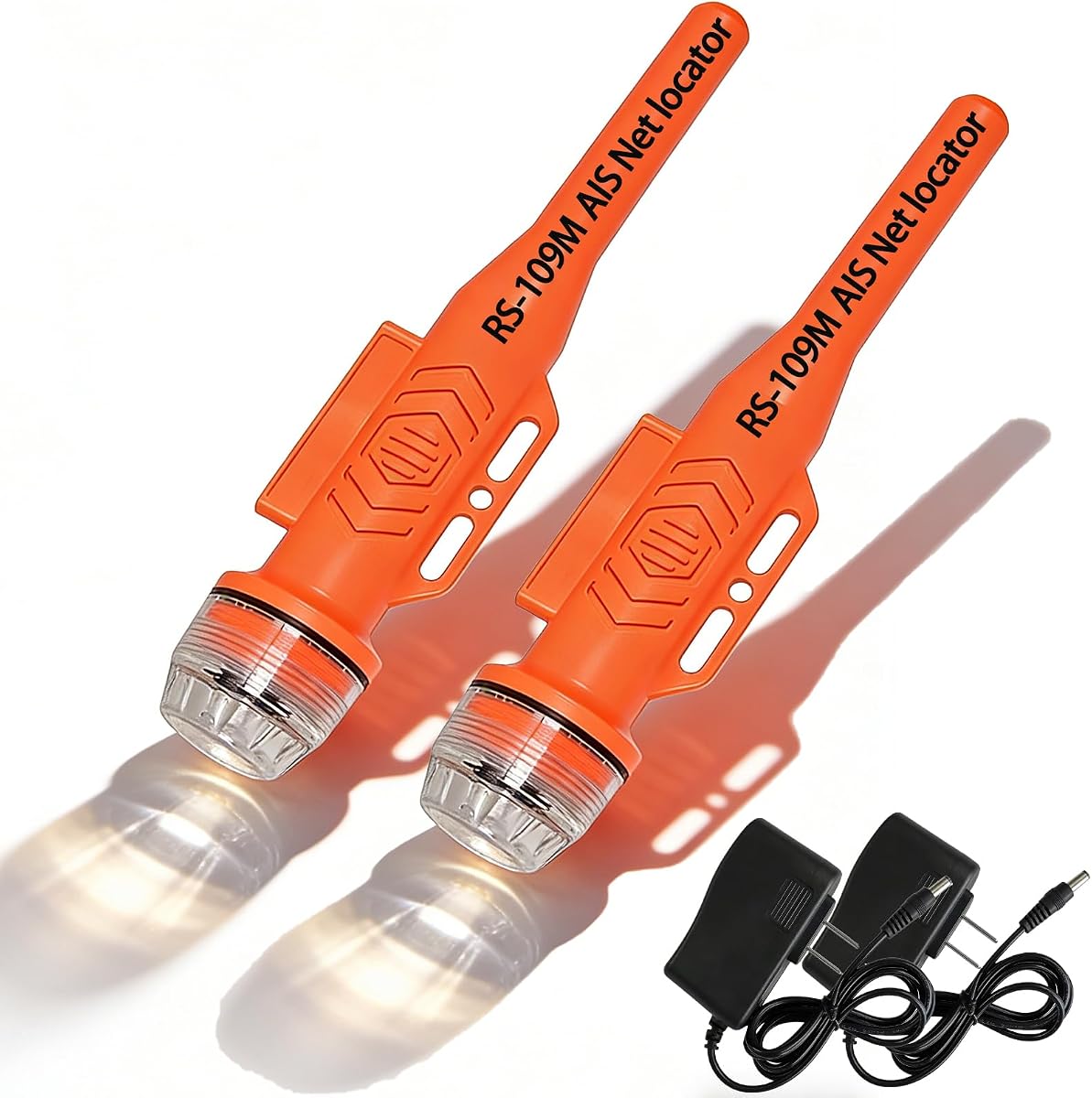
RS-109M Marine Net Locator
4.5Editor score
IPX7 Waterproof Design
High-Sensitivity GPS Module
Two Week Battery Life
This guide compares the top Ais Transponders for marine safety including Class A and B models with GPS and DSC features to help you choose the right unit.
Navigating modern waterways requires reliable communication tools. An Ais Transponder helps vessels share position and identity data with nearby boats. Choosing the right unit ensures safety and compliance with maritime regulations.
We evaluated ten leading models based on features, connectivity, and user feedback. Our analysis covers Class A and B options suitable for various vessel sizes. Each product offers unique capabilities for situational awareness.
Every pick highlights specific strengths like display quality or battery life. Note that availability and pricing may fluctuate over time. Check current listings for the most accurate information before purchasing your gear.
4.5Editor score

4.8Editor score
4.7Editor score
The following table provides a side-by-side view of key specifications for all ten models. This allows you to quickly compare connectivity options, display features, and intended use cases.




The Icom MA-510TR stands out as a robust solution for marine navigation. It combines high-quality display technology with essential safety features. Users appreciate its reliable performance in various conditions.
We may earn a commission when you buy through this link, at no additional cost to you.
Its vibrant 4.3 inch color display makes data easy to read even in bright sunlight. The integrated GPS ensures accurate position reporting without extra hardware. Collision alarms provide an extra layer of security during transit.
Some users find the menu system intricate and requiring time to master. It also requires a compatible VHF radio for full DSC calling features. These minor issues are outweighed by its core reliability.
Ideal for serious boaters needing advanced situational awareness. The anchor watch function adds value for those who frequent mooring spots. We recommend it for vessels prioritizing safety and navigation.
The bright color screen ensures you can see critical data without squinting or adjusting angles during midday sails.
Silent mode allows for discreet operations while collision alarms alert you to potential hazards immediately.
We may earn a commission when you buy through this link, at no additional cost to you.
This unit offers a straightforward approach to Class B transponder functionality. It focuses on core transmission capabilities without unnecessary complexity. The flexible power input supports a wide range of electrical systems.
We may earn a commission when you buy through this link, at no additional cost to you.
The EM-TRAK brand is known for reliability in marine electronics. Users find it easy to integrate into existing setups. Its compact form factor fits well in tight spaces on smaller boats.
It lacks an integrated display which means you must rely on external chartplotters. The absence of built-in GPS requires a separate antenna connection for accurate data. These are expected trade-offs for this class.
Best suited for vessels already equipped with navigation displays. It provides essential AIS coverage without the cost of higher-end models. A practical choice for budget-conscious boaters.
Supporting both 12 and 24 volt systems makes this unit adaptable to many different boat electrical configurations easily.
Its small size allows installation in restricted spaces where larger units might not fit comfortably on deck.
We may earn a commission when you buy through this link, at no additional cost to you.
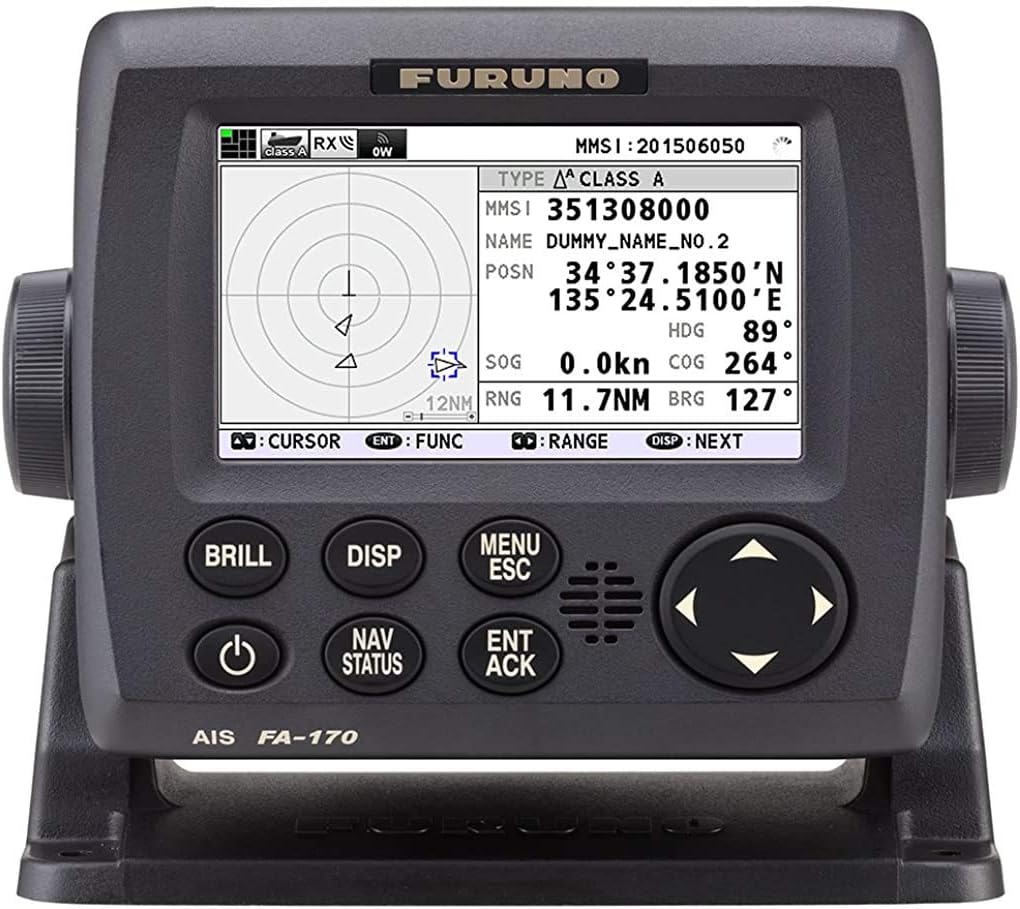
The Furuno FA170 delivers professional-grade performance for larger vessels. Its Class A designation ensures maximum transmission power and visibility to other ships. The target storage capacity is unmatched in this comparison.
We may earn a commission when you buy through this link, at no additional cost to you.
Safety features include a dedicated dangerous target list that highlights vessels on collision courses. The ability to create AIS messages adds a layer of direct communication. This makes it ideal for commercial or long-distance cruising.
The high cost may be prohibitive for recreational users. Installation often requires professional help due to multiple network ports and wiring needs. These challenges are standard for high-end equipment.
Recommended for vessels requiring compliance with international regulations. Its robust data handling and safety alerts justify the investment. A top choice for serious maritime operators.
Class A status ensures your vessel meets strict maritime safety regulations required for commercial operations globally.
Storing over two thousand targets allows extensive history tracking and detailed situational awareness on crowded routes.
We may earn a commission when you buy through this link, at no additional cost to you.
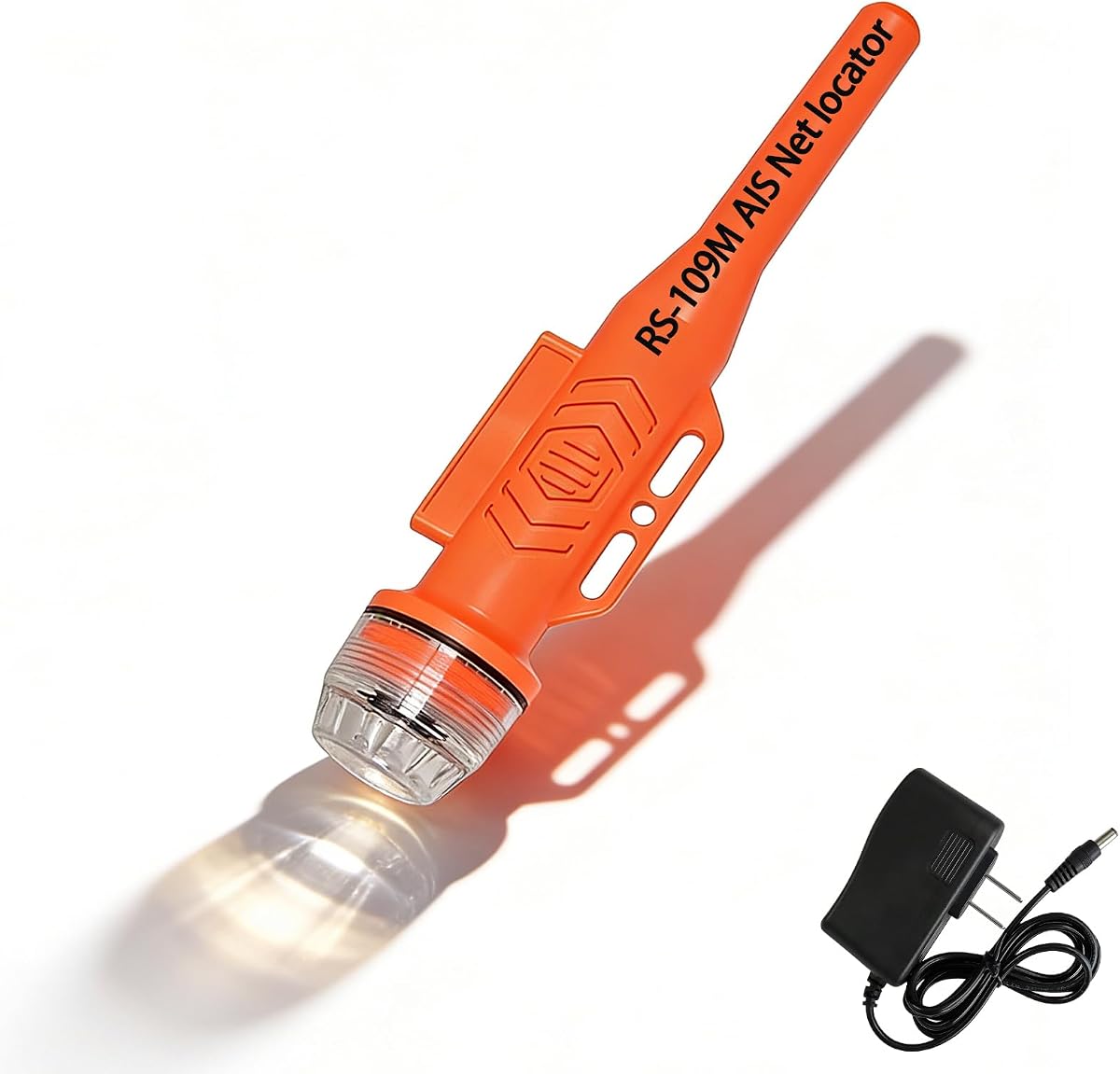
This tracker is designed specifically for net and buoy monitoring. It provides real-time data transmission for fishing operations or equipment tracking. The waterproof design ensures it survives harsh marine environments.
We may earn a commission when you buy through this link, at no additional cost to you.
High sensitivity GPS ensures precise location updates even in open waters. The battery lasts up to two weeks on a single charge reducing maintenance frequency. Users report consistent signal range of ten nautical miles.
It is not a vessel-mounted unit for communication. Its primary role is tracking stationary or moving gear rather than boat-to-boat communication. This limitation defines its use case clearly.
Perfect for fishermen or commercial operators tracking assets. The price point makes it accessible for multiple units. We recommend it for asset monitoring needs.
Accurate GPS positioning helps you locate dropped nets or buoys quickly without wasted time searching blindly.
The large capacity battery supports continuous transmission for weeks ensuring your gear stays visible throughout long trips.
We may earn a commission when you buy through this link, at no additional cost to you.
Raymarine offers a bundled solution combining VHF and AIS capabilities. This simplifies purchasing by providing compatible components together. The Ray90 VHF unit pairs well with their AIS systems.
We may earn a commission when you buy through this link, at no additional cost to you.
Integration with other Raymarine displays is seamless due to shared protocols. The fixed mount accessories are included for a complete setup. Users value the consistency of using one manufacturer.
Cost is higher than buying components separately. It also locks you into the Raymarine ecosystem for future upgrades. This may limit flexibility for mixed-brand setups.
Ideal for new installations or system upgrades on Raymarine boats. The bundle ensures compatibility and saves setup time. A strong choice for ecosystem loyalists.
Shared protocols allow the VHF and AIS to talk easily to your chartplotter without complex cabling or configuration.
Including fixed mount accessories means you have everything needed to start communicating immediately after unboxing.
We may earn a commission when you buy through this link, at no additional cost to you.
This beacon is designed for personal emergency signaling. It sends distress alerts to both local vessels and global satellites. The return link service confirms rescue teams have received your signal.
We may earn a commission when you buy through this link, at no additional cost to you.
NFC technology allows quick status checks using a mobile app. Its lightweight design makes it easy to clip onto life vests. The 5-year battery life reduces maintenance intervals significantly.
It is not intended for routine navigation or communication. Activation is strictly for life-threatening emergencies. This specialized focus ensures resources are dedicated to safety.
Essential for offshore cruisers or solo sailors. The combination of AIS and satellite alerts maximizes rescue chances. We highly recommend it as a safety backup.
The return link service sends a signal back to you confirming that rescue teams have received your distress call successfully.
NFC allows you to check battery status and test performance without opening the battery cover or tools.
We may earn a commission when you buy through this link, at no additional cost to you.
This unit is a companion to the 2-pack version. It offers identical functionality for tracking equipment. The waterproof design meets IPX7 standards for submerged conditions.
We may earn a commission when you buy through this link, at no additional cost to you.
It transmits battery levels to your receiver so you know when maintenance is needed. High sensitivity GPS ensures quick updates for retrieval purposes. It handles open waters reliably.
Without a dedicated display it relies on external receivers. You need a compatible onboard system to view the data. This requires some additional setup effort.
Best for adding extra coverage to buoy tracking systems. It provides peace of mind for gear left unattended. A solid option for professional fishing.
The fully sealed housing ensures the device works even when completely submerged during rough seas or accidental drops.
Real time battery syncing prevents unexpected signal loss by alerting you when power levels drop too low.
We may earn a commission when you buy through this link, at no additional cost to you.
This handheld combines VHF and AIS receiver functions in one device. It lets you see nearby traffic without a fixed system. The audio output is loud enough for noisy engine rooms.
We may earn a commission when you buy through this link, at no additional cost to you.
It includes a dedicated distress button with GPS precision for MOB calls. The float and flash feature helps recovery if dropped overboard. Waypoint storage allows quick route navigation.
It receives AIS signals but does not transmit them as a full transponder. Battery life is good but requires regular charging. It serves as a supplement to fixed gear.
Great as a backup radio for day boats or tenders. Its compact size fits in pockets easily. We suggest it for flexible communication needs.
The loud 1500 mW speaker ensures you hear crucial calls clearly even when the engine is running loudly nearby.
Pressing the distress button sends an immediate GPS accurate signal so rescuers know exactly where to look.
We may earn a commission when you buy through this link, at no additional cost to you.
The M510 EVO represents the latest in handheld marine communication. It integrates modern AIS data capabilities into a compact form. The NMEA 2000 interface supports high-speed networking with other devices.
We may earn a commission when you buy through this link, at no additional cost to you.
Its design focuses on ease of use and portability. Users appreciate the clear layout and responsive controls. It works well with chartplotters for data sharing.
As a handheld range is limited compared to fixed mount radios. The small screen may be hard to read for some users. These are typical limitations for portable units.
Ideal for day sailors needing reliable backup comms. It offers advanced connectivity in a pocket-sized package. A modern tool for active cruisers.
The NMEA 2000 capability allows this radio to share data effortlessly with your onboard navigation network.
Its small size makes it easy to carry on deck or store in a safety pocket without bulk.
We may earn a commission when you buy through this link, at no additional cost to you.
This unit is designed for Raymarine display systems. It uses S-TDMA networking for improved range and performance. The built-in antenna splitter simplifies installation significantly.
We may earn a commission when you buy through this link, at no additional cost to you.
It supports both NMEA2000 and NMEA0183 protocols. This flexibility helps in older or mixed electrical setups. Full transmit and receive ensures comprehensive situational awareness.
User feedback suggests setup can be tricky compared to competitors. The rating reflects some connectivity quirks reported. However performance is solid once configured.
Best for owners upgrading within the Raymarine ecosystem. It offers modern networking features at a competitive price point. Consider it if you have a compatible display.
The built-in splitter allows you to share one antenna between VHF and AIS reducing cable clutter on your vessel.
S-TDMA technology improves signal efficiency ensuring faster updates and better range in crowded sailing conditions.
We may earn a commission when you buy through this link, at no additional cost to you.
Selecting the right transponder requires evaluating your vessel's needs and existing electronics. Consider these factors to find a model that offers safety and reliability.
Class A transponders are mandated for larger commercial vessels and offer higher transmission power. Class B models are suitable for most recreational boats and provide sufficient range for safety.
Determine your legal requirements and boat size to choose between Class A and B options.
Built-in GPS eliminates the need for external antennas and simplifies wiring. Ensure the GPS sensitivity is high enough for accurate positioning in all conditions.
Integrated GPS saves installation time and reduces points of failure in your system.
Check if the unit supports NMEA0183 or NMEA2000 to match your existing display networks. Compatible protocols ensure smooth data sharing between devices.
Match connectivity options to your current electronics to avoid compatibility issues later.
Units with internal displays should offer high visibility in direct sunlight. Screen size and resolution impact how easily you can read data while underway.
Prioritize bright and clear displays for safe operation in daylight hours.
Look for features like collision alarms, anchor watches, and MOB capabilities. These alerts provide critical early warnings during navigation or emergencies.
Additional safety features enhance situational awareness and reduce risk significantly.
Ensure the transponder supports your boat's voltage system such as 12V or 24V. Some portable units rely on batteries so check capacity and recharge times.
Verify power requirements match your boat to ensure continuous operation.
Marine environments are harsh so units should be waterproof and resistant to salt. Look for IP ratings like IPX7 to confirm protection against water immersion.
Choose rugged builds designed to withstand constant exposure to the elements.
A built-in splitter simplifies installation by allowing shared use of the VHF antenna. If not included you may need to buy one separately which adds cost.
Built-in splitters reduce cabling complexity and make setup faster.
After installation configure the MMSI number correctly. This unique code identifies your vessel to other users on the network.
Regularly test the unit to ensure it is transmitting and receiving signals. Check GPS accuracy by comparing with known positions.
Keep the antenna clear of obstructions like masts or shrouds for best signal performance. Clean the exterior with fresh water to prevent salt buildup.
Generally no separate license is needed for AIS use on private boats. However you must register your MMSI with the appropriate authority to comply with maritime laws.
AIS ranges are typically line of sight around 10 to 20 nautical miles. Higher antennas and clear weather can extend this range slightly for better visibility.
Yes many standalone units have their own displays showing nearby traffic. However a plotter provides better map integration for navigation convenience.
Class A units transmit more frequently and have higher power for compliance. Class B units are simpler and designed for smaller recreational vessels.
Mount it as high as possible on the mast using a splitter for VHF sharing. Ensure it is securely fixed to avoid vibration damage over time.
Some modern handhelds have built-in AIS receivers but they usually do not transmit. Fixed units are required for full transponder functionality.
We have highlighted ten top models ranging from personal beacons to professional units. Each offers distinct features suited to different boating styles and needs.
Prioritize safety features like GPS integration and connectivity compatibility for best results. Matching the unit to your boat size ensures optimal performance.
Check current listings before purchase to verify availability and shipping options. Technology updates frequently so staying informed helps you make the right choice.